“Volunteers are not paid, not because they are worthless, but because they are priceless.”
Author unknown
Proverb
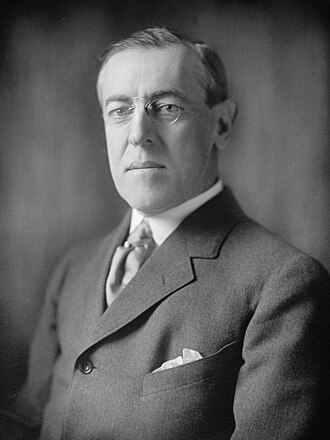
“There is no higher religion than human service. To work for the common good is the greatest creed.”
Woodrow Wilson
Former U.S. President
“A warm smile is the universal language of kindness.”
William Arthur Ward
Writer
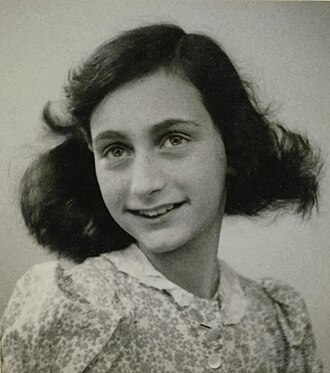
“No one has ever become poor by giving.”
Anne Frank
Diarist
Our Impact
Our Impact, In Numbers
Every number below is a girl who stayed in school, or a woman who found a livelihood, instead of the alternative. This is what that’s added up to so far.
600+
Girls Supported
80+
Unprivileged Women Trained
75+
Women Artisans Supported
15
Years of Service
Success Stories
Success Stories
Every girl who stays in school, every woman who earns her own living, writes a story no statistic can hold. There are far too many to document here — hundreds of girls and women across India, each with her own beginning, her own turning point, her own future. We could not possibly tell you all of them. So, below, we share one story for each of our three programs: Support-A-Girl, Skills Development and Social Enterprise. Behind every number on this page is a name, and behind every name a life quietly changed.
“Help one girl and you help the family she will one day hold up.”
Sneha Karma Foundation
Impact
Success Story 01 · Support-A-Girl
Support-A-Girl Program — A Case Study
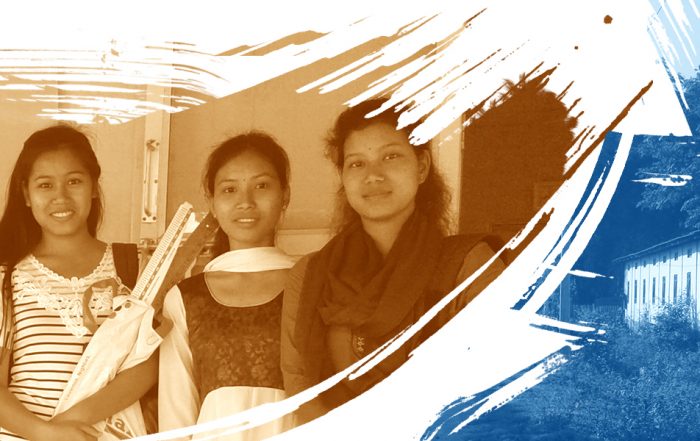
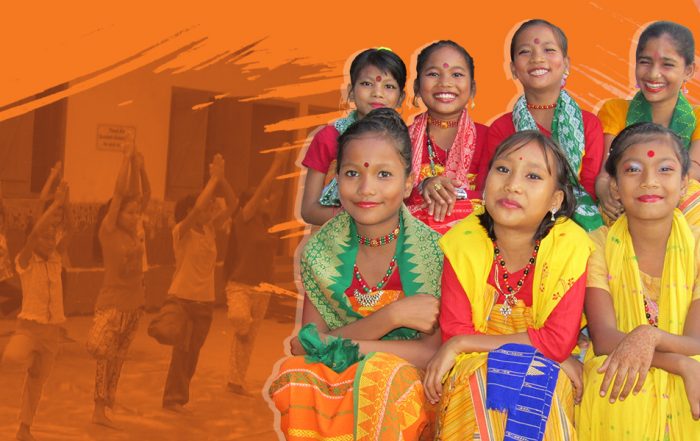
Deep inside the Garbhanga Reserve Forest, on the border of Assam and Meghalaya, a cluster of more than twenty villages and over a thousand families live far from the nearest school. For a girl here, education was never a given. If the journey was too long, the road too unsafe, or the family too poor, she simply stayed home.
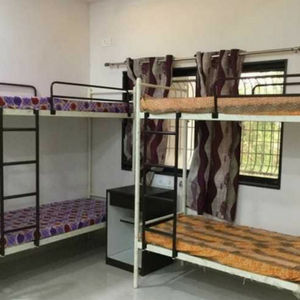
Support-A-Girl changed that. Working with Parijat Academy, we set up accommodation so that girls aged eight to fourteen could live and learn safely on campus. Each girl is given a bed of her own, nourishing meals and a place in a classroom. Fees, uniforms, books and stationery are covered. Our mentors stay close — watching over her health, arranging the best medical care when she needs it, and standing beside her through every grade.
Today these girls read, play and dream of futures their mothers were never offered. Some are the first in their families to finish school, and a few are the first to reach college. For their families, one less worry and one more reason to hope. What began as a single hostel has become a promise: that no girl in these hills should lose her future to a road she cannot safely walk.
“Children shouldn't have to suffer, yet there are so many out there who have no family, no home, no food, no clothes and no education. We need to do whatever we can to educate and empower them so they can build a better life.”
Jalpa Naik
Donor
Success Story 02 · Skills Development
Skills Development Program — A Case Study
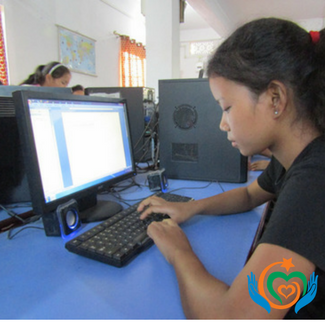
For a girl who has finished school, the next question is simple: how will she earn? In rural Assam, the answer was too often farm labour or early marriage. Our Skills Development Centre was built to change it.
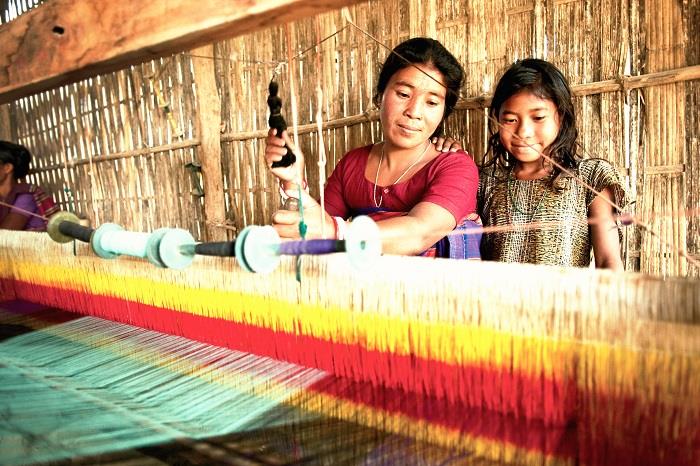
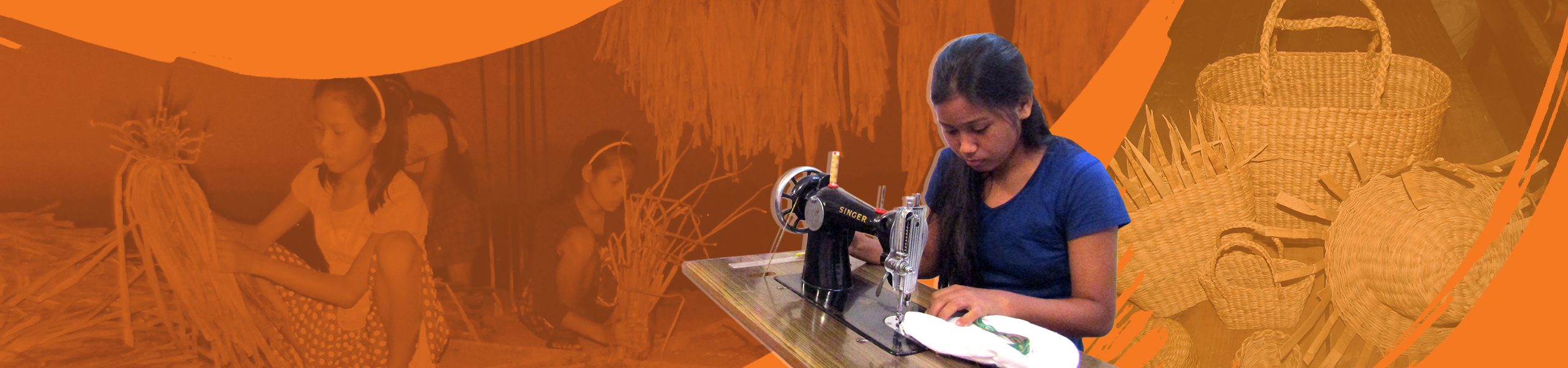
At the centre, women learn handloom weaving — a craft their region has practised for generations, but rarely on their own terms. Trained teachers guide them through every stage: setting up the loom, reading a design, and weaving cloth that is strong, even and beautiful enough to sell. The training is free, patient and practical.
When a woman completes the course, she is not simply sent home. She is awarded her own handloom, delivered and set up in her house, so that she can weave from her own village and earn a steady income without leaving her family. For the first time, many have money of their own — to buy schoolbooks, repair a home, and set aside savings. A skill once practised for others has become a livelihood they own, and with it a life of dignity and respect.
“An investment in a woman’s work is repaid in the wellbeing of everyone she loves.”
Sneha Karma Foundation
Impact
Success Story 03 · Social Enterprise
Social Enterprise — A Case Study
Across India, some of the finest artisans work with nothing to show for it but their skill. They have no property, no assets and no collateral — so when they need capital to grow, banks and government schemes turn them away.
Social Enterprise was created for exactly these women and men. We provide interest-free loans to artisans who cannot borrow anywhere else — asking for no collateral, only a craft and the willingness to work.
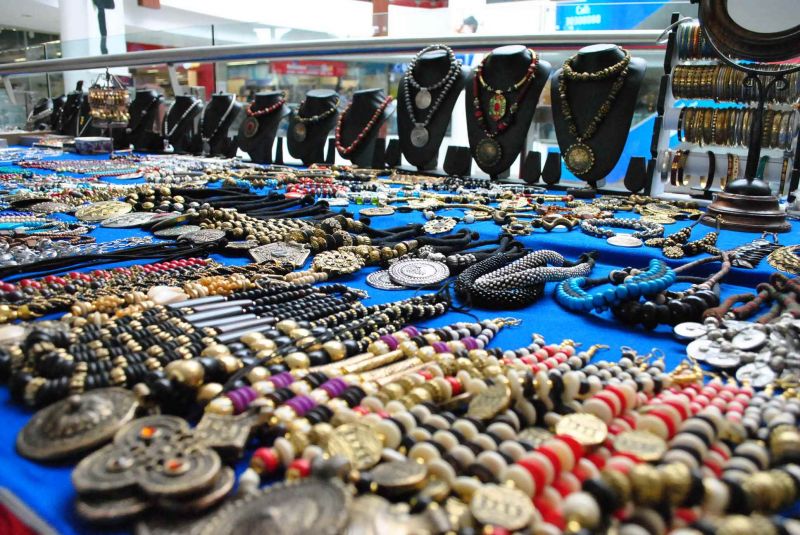
What happened next surprised even us. Given trust instead of obstacles, these artisans did not merely survive. They repaid every loan and scaled their businesses beyond what they had dared to plan. Weavers bought second looms; tailors hired assistants; craftspeople opened small workshops and found new markets.
Today many are employers themselves. They train other underprivileged women on the job, free of charge, and pay them fair wages. One loan has become a circle of livelihoods: one artisan supporting another, who supports another. That is the idea behind Social Enterprise — that the people we serve can one day help sustain the work that helped them.
Our Journey
Our Journey — From Idea to Foundation
Sneha Karma Foundation likes to describe itself as the startup of the nonprofit world. We were registered as a nonprofit in the United States in July 2015, and received our Trust certificate in India in October 2017 — yet the idea behind it began earlier than either date, with a refusal to accept that a girl’s future should be decided by the family she was born into.
The years since have been about getting the structure right — designing programs that genuinely work, enrolling girls with care, and learning as much from what didn’t work as from what did.
Key milestones:
July 2015 — Registered as a nonprofit in the United States.
October 2017 — Received our Trust certificate in India.
What We Believe
What We Believe
Two convictions have guided us from the start, and neither has changed:
A girl’s opportunity should never be capped by her family’s income — and it should never be capped by her gender, no matter how much progress is made against poverty. Both have to be addressed together, deliberately, or the gains from one are undone by the other.
And change like this only holds when a community chooses it for itself. Our role with parents and families is not to impose an outcome, but to open a different way of seeing what’s possible — and to trust that once that shift begins, the community carries it forward on its own.
Looking Ahead
Looking Ahead — Independent by 2030
Alongside this work, we’re building toward a specific milestone of our own: becoming a fully independent, self-funded organization by 2030. Our Social Enterprise program is designed to generate the revenue that supports Support-A-Girl and Skills Development, so the mission can continue and grow without depending indefinitely on outside funding.
If the years so far have been about building the foundation, the years ahead are about building on it — for the girls we serve today, and for the generations of girls after them.