
Our Mission
Our Mission
Our Mission
Our mission is to give every underprivileged girl and woman in India the same opportunity as anyone else — to change how society sees her, to give her the opportunity to learn, to earn a livelihood, and to feel empowered to do anything she wishes to do, regardless of the poverty or the gender bias she was born into.
We believe opportunity is a right, not a privilege reserved for those born into it. When a girl is pulled from school because her family cannot afford it, or because she is a daughter and not a son, that is not fate. It is a failure — and it is the one Sneha Karma Foundation exists to correct.
But belief alone is not enough — to change a girl’s future, we have to understand exactly what stands in her way.

Two Root Causes
Lifetime of Challenges
The causes
Across rural India, the obstacles a girl faces rarely arrive one at a time. Nearly all of them trace back to two forces acting together — and it’s the combination, not either one alone, that does the damage.
Poverty and gender bias don’t operate side by side — they compound each other. A poor family is more likely to act on gender bias when resources are scarce; a girl who is already devalued has less claim on what little the family has. That is why we treat both as the same fight, not two separate ones.
Left unaddressed, these two causes follow a well-worn chain: a girl pulled from school is easier to marry off early; a girl married young is more likely to remain illiterate for life; an isolated, unschooled girl is the easiest to exploit. Each effect below is both a result of the causes above and a cause of the next.
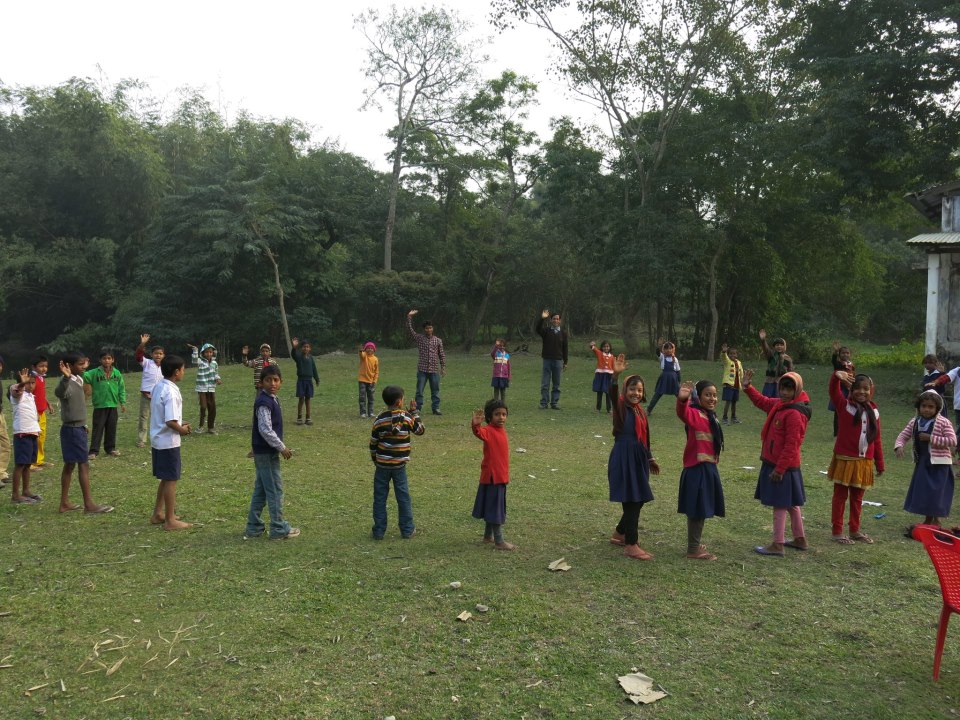
Cause # 1
Poverty puts a girl last.
Almost 22% of India’s population lives below the official poverty line. In families fighting simply to survive, it is almost always the girl who loses out first: when money is short she is pulled from school, kept home for chores, or sent out to work, while her brothers are fed, clothed and educated before her. Poverty is not gender-neutral — it takes an existing bias against daughters and makes it visible and cruel. Because her earning potential is dismissed from the start, the income she might have earned is never realized, and the cycle passes to the next generation.

Cause # 2
Gender Inequality
It begins before a girl is born, in a society that treats a son’s arrival as cause for celebration and a daughter’s as a burden. It shapes every decision made about her afterward: educating a son is seen as an investment, educating a daughter is often seen as a cost, because she will “marry and leave.” The result is a literacy gap that persists into adulthood — as of 2011, 82% of Indian men could read and write, against 65% of women aged seven and older. This is the belief Sneha Karma Foundation exists to change.
Inaction Consequence
The Uncomfortable Truth
When the two root causes go unaddressed, the same chain repeats in every village we work in. These are the consequences — and the reason we act on causes, not symptoms.
Education & literacy
Education lifts people out of poverty and promotes equality, yet for a girl in rural India school is far from routine. Distance, safety, missing toilets and the belief that educating a daughter is wasted investment push her out — and illiteracy then follows her for life.
Early marriage
Child marriage is one of the most common ways a girl’s childhood ends. More than half of girls from the poorest households marry before eighteen, traded for a dowry, pulled from school and exposed to early pregnancy, poor health and a lifetime of dependence.
Child trafficking
Child trafficking is modern slavery: the recruitment, transport or harbouring of children through force, coercion or deception for exploitation. Poverty and gender bias make girls in source villages prime targets, while weak local protection lets traffickers operate with little fear of consequence.
Lifetime of abuse
Social abuse is the quieter, everyday end of the same chain — the violence and exploitation a girl faces inside her own home and community. Denied schooling, married young and economically dependent, she has little power to leave, report or refuse.
Our Response
Our Focus Areas
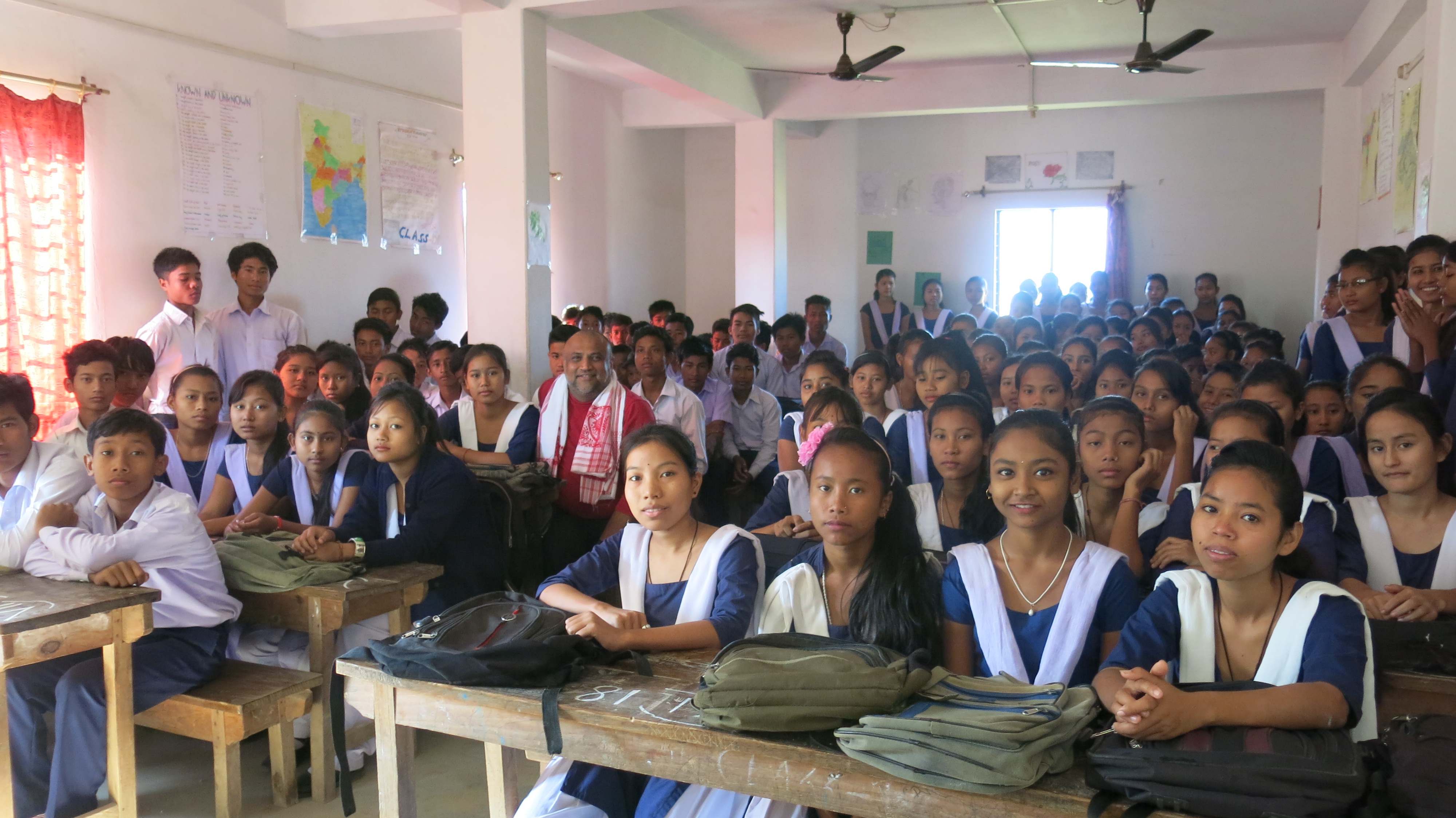
Girls’ Education
A changed belief becomes real opportunity. Support-A-Girl keeps a girl in school end-to-end — fees, supplies and mentoring — and our Scholarship program carries her on to college and a career.
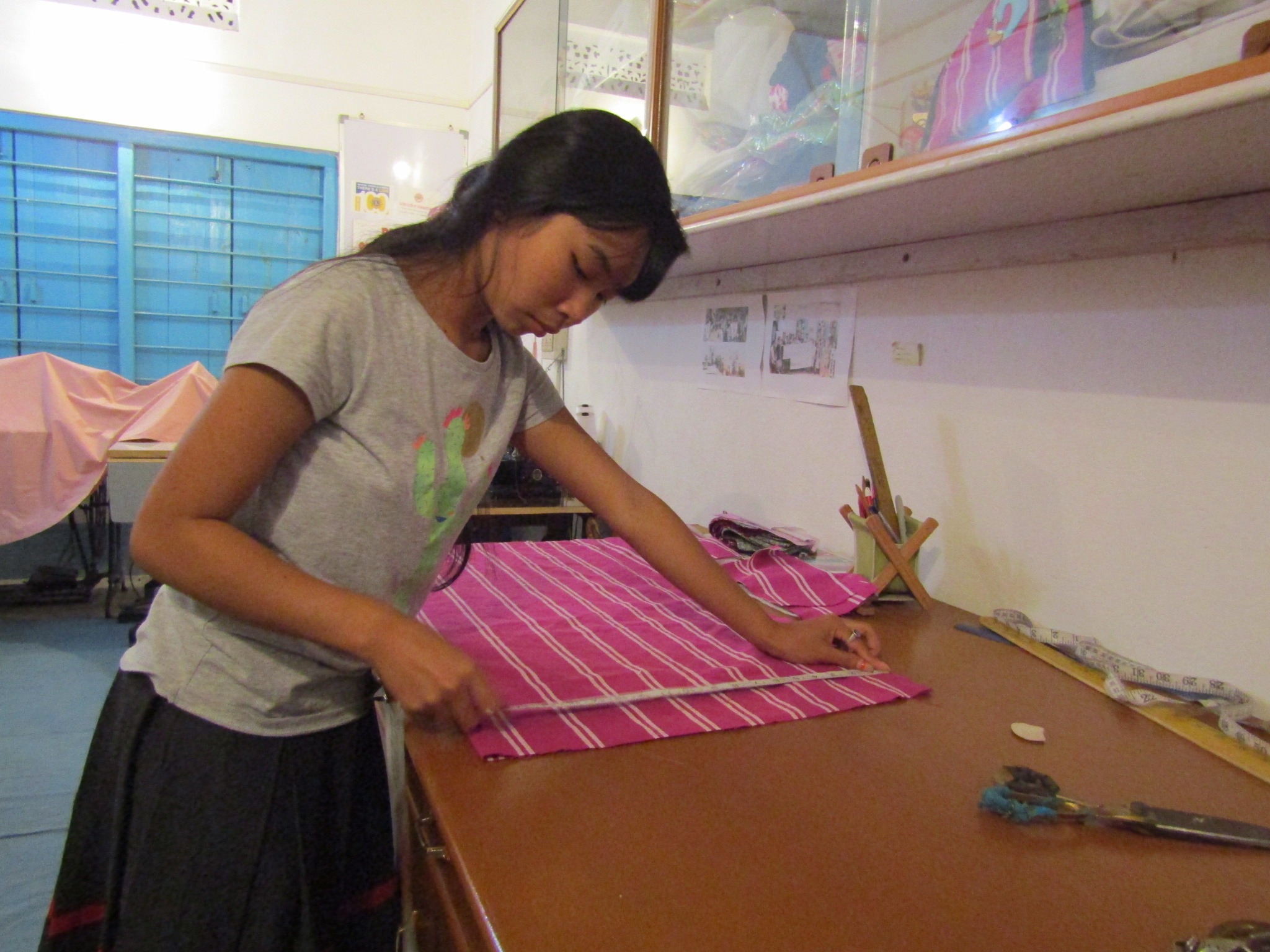
Women’s Empowerment
Learning becomes earning. Skills Development, Support-A-Artisan loans and the Artisans Direct marketplace turn education into a skill, a job and a dignified income.
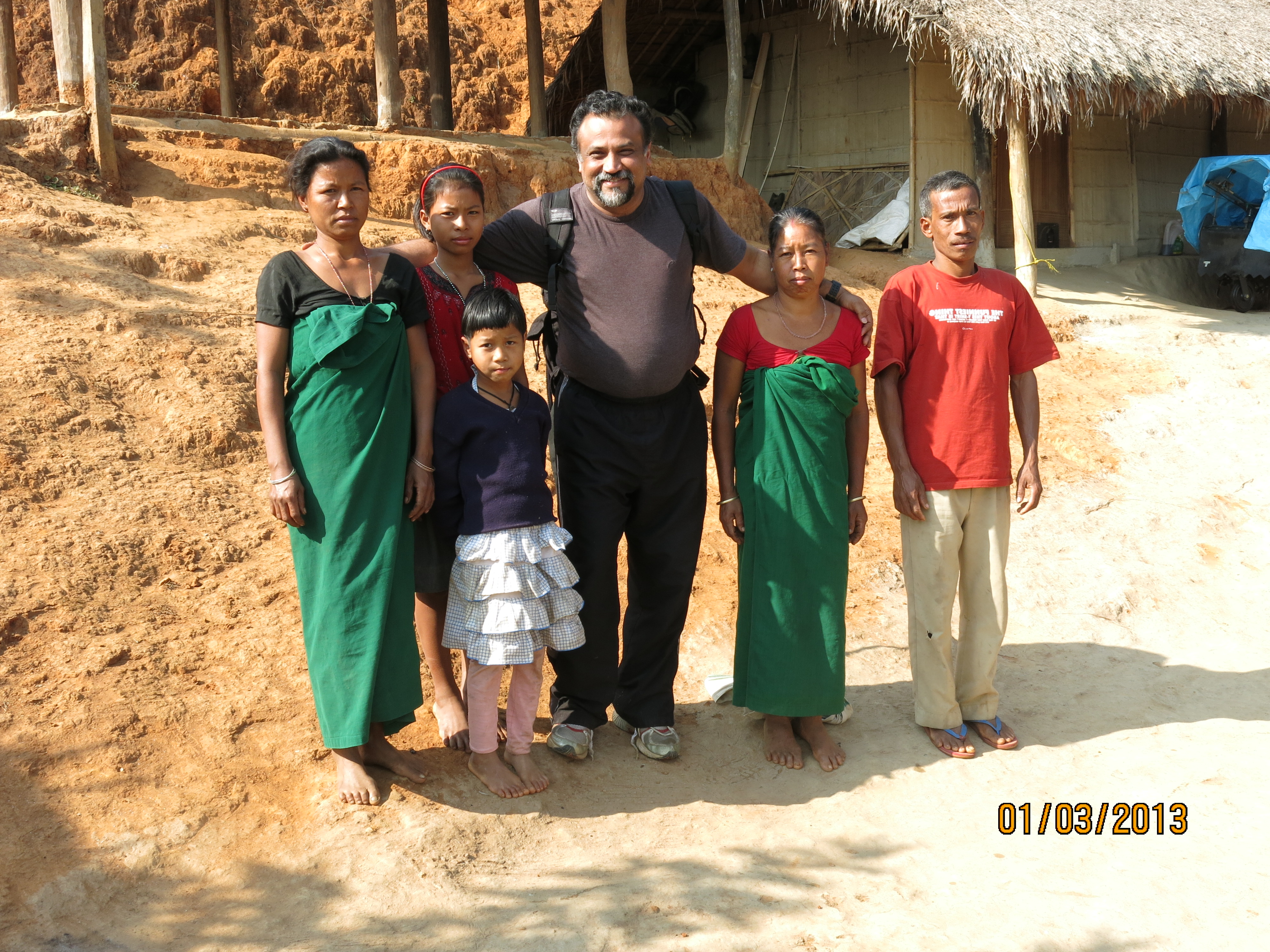
Social Change
We change how families and communities see girls — because belief comes before everything. Education camps for parents and communities shift the belief that a daughter is a cost to be married away, and that shift makes every other gain possible.
Ways to Support


Our Causes
Our Causes
Sneha Karma Foundation works on the root causes that keep girls and women in India from reaching their potential. Those causes are not separate problems; they are connected and reinforce one another.
Poverty removes opportunity, and gender bias decides that the girl loses it first. A family with one school fee to spare sends the son, and the daughter stays home to help.
In the villages where we work, a girl out of school at twelve is often married by sixteen. Once that happens, the classroom is closed for good, and so is most paid work.
Women who never finished school earn less in every trade they enter. Their daughters then start from the same place, and the pattern repeats unless something interrupts it.
That is why we treat education and livelihood as one problem. Keeping a girl in school protects her future; training her mother raises the household she returns to. One program protects a childhood; the other changes what that childhood can lead to.
We also count the causes that sit outside the classroom. Poor health costs school days, unsafe transport ends attendance, and a missing birth certificate can keep a girl out of her examinations.
Below are the specific causes our work addresses. Each links to a page that explains the problem, how we respond, and how you can help.
None of these causes can be solved alone, which is why our programs are designed to work together.
The two root causes
Poverty
Roughly one in five Indians lives below the poverty line, and poverty turns every minor setback into a crisis. When a family cannot afford school fees, it is the girl who is withdrawn first — because a daughter is too often seen as a cost and a son as an investment. Poverty denies opportunity to everyone; it simply denies it to girls first.
Gender inequality
Gender inequality is not only a gap in pay or opportunity — it is a belief, planted before a girl is born, that a son's future matters more than a daughter's. That belief decides who eats last, who leaves school first, who marries young, and who is expected to be grateful for less. We cannot legislate a belief away, but we can outgrow it.
Why causes, not symptoms
It is possible to treat symptoms forever: to fund a school term, then another, without ever changing why the girl was at risk. We choose the harder, more durable path. By addressing the causes — poverty and the belief system around girls — we aim for change that outlasts any single donation. A girl who is educated, healthy, safe and able to earn does not need rescuing again; she becomes the reason her own daughters are treated differently.
Why we chose these causes
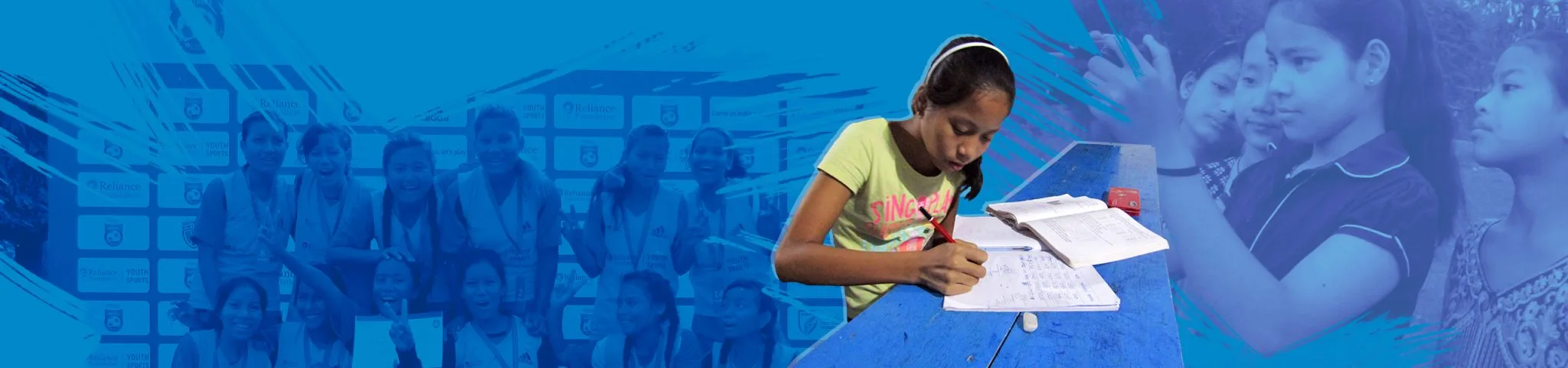
Every organization must decide what it will and will not take on. We chose these five causes because they are the ones that most reliably decide a girl's future in India — and because they are connected. Poverty creates the pressure to withdraw her from school. Gender bias decides that she, rather than her brother, is the one withdrawn. Child marriage and trafficking are the most severe consequences of that combination, and the loss of education makes the pattern repeat into the next generation. Addressing them one at a time, in isolation, has never held. Addressing them together is what our work is built to do.
How a cause becomes a program
A cause is a problem; a program is our answer to it. When we commit to a cause, we ask a simple question: what would it actually take to move this? For poverty and education access, the answer is keeping girls in school and carrying them into higher education. For gender inequality, it is changing belief through community awareness. For child marriage and trafficking, it is prevention — education, vigilance and safety — alongside support when prevention fails. This is why our causes and our programs are two views of the same work: the problem we see, and the response we deliver.
Why they must be tackled together
Imagine a girl pulled out of school to marry. If we had only funded her education, the gain is undone. Imagine a woman who earns but whose community still sees her as lesser; her income is fragile and her voice limited. Imagine a village where girls stay in school but traffickers operate unchecked. Each single intervention, on its own, leaves a hole through which the others leak. This is why we hold the whole chain together — learning, earning and belief — and why a donation to any one cause strengthens the effort to address them all.
What progress looks like
Cause-level change is not measured in a single number but in a direction that holds. It looks like girls staying in school not for a term but for years. It looks like a family that once saw a daughter as a cost beginning to invest in her. It looks like a community that stops treating early marriage as normal, and a village that knows the warning signs of trafficking. It looks like women earning and deciding, and their daughters expecting to do the same. These are quiet, cumulative shifts — and they are how a cause is actually ended, not merely managed.
Frequently Asked Questions
No — and the distinction matters. Our Causes are the problems we exist to solve (poverty, gender inequality and their consequences). Our Focus Areas are how we respond to them (Girls Support, Women's Empowerment, Social Change). Causes are the diagnosis; focus areas are the treatment.
Because symptoms recur. Treating the cause — poverty and the belief system around girls — is what produces change that lasts beyond a single gift.
All of them are connected, so a general donation lets us apply support where it is needed most. If one cause speaks to you, you can direct your gift to the related work.
Through outcomes: girls retained in school and reaching college, women earning, and communities changing how they value their daughters.
By asking which conditions most reliably determine a girl's future in India, and which we are best placed to change. Each is reviewed against outcomes, not intentions.
They are as long as the conditions exist. Our aim is not to run programs forever, but to change the conditions until they are no longer needed.
Yes — you can direct your gift to the work connected to a cause you care most about, and we will report on its progress.
The causes are the problems; the focus areas are how we respond. You can read them as diagnosis and treatment — two halves of one plan.
Our Mission
A Startup of the Nonprofit World
Our story
Sneha Karma Foundation began with a refusal to accept that a girl’s future should be decided by the family she was born into — and grew, one deliberate step at a time, into an organization that educates, trains and stands beside girls and women.
This is that journey: the decisions, the launches and the milestones that shaped who we are. Where a story lives on our blog or a page, we have linked to it.
Our Journey
Timeline & Milestones
- Goal
Independent and self-funded
Building toward a fully independent organization by 2030, so the mission can continue and grow without depending on outside funding.
Our Mission
Where We’re Headed — Independent by 2030
Alongside this work, we’re building toward a specific milestone of our own: becoming a fully independent, self-funded organization by 2030. Our Social Enterprise program is designed to generate the revenue that supports Support-A-Girl and Skills Development, so the mission can continue and grow without depending indefinitely on outside funding.
If the years so far have been about building the foundation, the years ahead are about building on it — for the girls we serve today, and for the generations of girls after them.
Frequently Asked Questions
Sneha Karma Foundation began in 2011, built around one conviction: give an underprivileged girl the same chance as anyone else, and she changes her own life and everyone around her.
To give every underprivileged girl and woman in India the same opportunity as anyone else — to learn, earn a livelihood, and be empowered to do anything she wishes, regardless of the poverty or gender bias she was born into.
By removing the three barriers — belief, money and distance — that keep girls out of school. We change how families see girls, fund their education end-to-end, and turn that education into skills and a livelihood.
From a small effort in India, it has grown into programs in education, skills, health and artisan livelihoods, with US 501(c)(3) status and a community of supporters worldwide.
Our programs operate in India — including the Northeast and the Garbhanga forest villages of Assam — with volunteers and donors across the US and beyond.
Donate, volunteer your skills, or partner with us as a foundation or company. Every gift goes to the programs, because our overheads are covered by a founder member.
Contact us
Have a Question or Feedback ?