Social Change

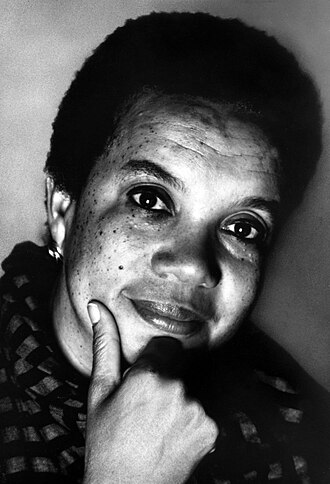
Service is the rent we pay for being. It is the very purpose of life and not something you do in your spare time.

Marian Wright Edelman

Founder, Children’s Defense Fund

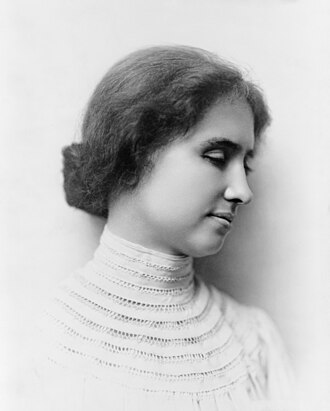
The simplest way to be happy is to do good.

Helen Keller

Author and activist

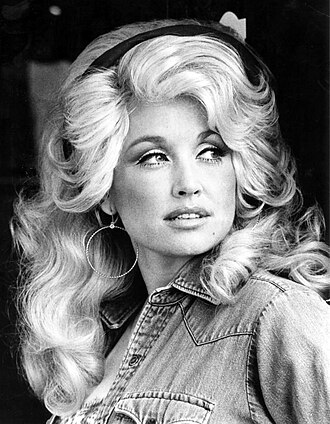
I have learned that you can’t have everything and do everything at the same time. But you can help people.

Dolly Parton

Singer and philanthropist

Every man must decide whether he will walk in the light of creative altruism or in the darkness of destructive selfishness.

Martin Luther King Jr.

Civil rights leader

OUR FOCUS AREA

Social Change

We change how families and communities see girls — because belief comes before everything.

Social Change is the foundation of everything Sneha Karma Foundation does. Before a girl can stay in school, learn a skill or earn a living, someone has to believe she is worth it — and very often that someone is her own family. Poverty and gender bias feed each other: when money is short, it is almost always the girl who is pulled from school first. So we start where the chain begins — with the belief.

Through education camps for parents and communities, we hold patient, respectful conversations that help families see their daughters not as a burden to be married away, but as a future worth investing in. We do not lecture and we do not shame. We listen, we share, and we plant a new way of thinking, one household at a time.
Social Change

If you want to change a girl’s life, first change the way her world sees her.

Sneha Karma Foundation

Social Change

Why it comes first

A scholarship can still be refused. A school place can still sit empty. A skill can still go unused. When the people around a girl do not believe in her future, even the best-designed program struggles to hold. That is why we treat the mindset as the foundation of our work: when a family’s belief changes, everything we build on top of it finally stands.

This is the slowest work we do, and the most important. It is not measured in a single camp, but in the father who once saw a cost and now sees a daughter’s future — and who tells his neighbours the same.
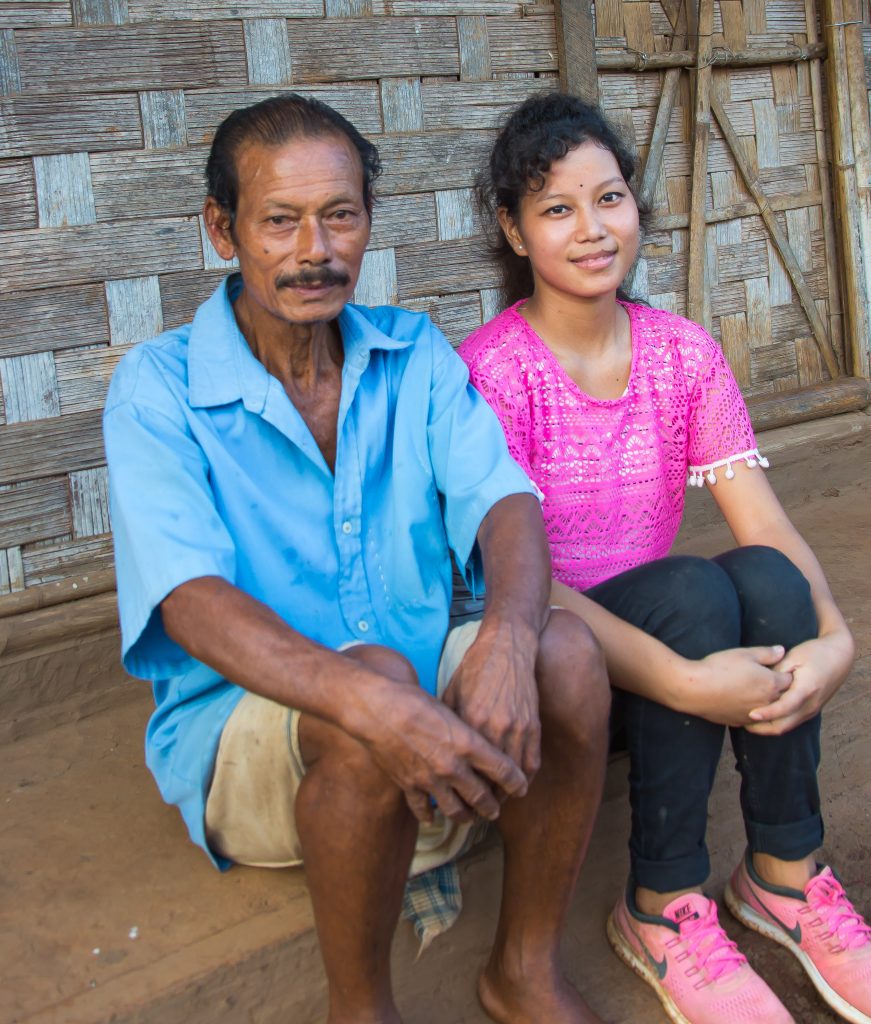
A father and his daughter

PROGRAM IN THIS FOCUS AREA

Nayi Soch

Education camps for parents and communities on the importance of a girl’s education, rights and empowerment.

Nayi Soch — “a new way of thinking” — is how this focus area reaches families. It brings conversations about girls’ education, health, rights and dignity directly into the village, in the local language, led by people the community already trusts.
Explore Nayi Soch →

Nayi Soch

Who this serves

Communities where girls are devalued by tradition and poverty — the families, elders and local leaders whose beliefs decide whether a girl is educated, married early, or kept safe.

How we approach it

We treat belief as the root cause. Community camps change how families value girls, and protection work keeps girls safe from trafficking — because laws forbid practices but cannot, alone, change the beliefs beneath them.

What progress looks like

A community that no longer treats a girl as a cost: fewer withdrawals from school, later marriages, and girls who stay safe. Change here is measured in changed decisions, not proclamations.

Where this fits

Frequently Asked Questions

See all FAQs

Social Change — what this focus area sets out to do

Executive Summary

Nayi Soch ("New Thinking") is Sneha Karma Foundation's social-change programme. It works on the single most stubborn barrier to girls' education in the communities we serve: the belief that a daughter is a cost to be married away rather than a future worth investing in. Before a girl can be kept in school, her family and her village must decide she is worth it. Nayi Soch reaches parents, grandparents, village elders and local leaders through structured education camps, household conversations and community events, and it converts that change in belief into an early, irreversible commitment: a written pledge that this girl will not be withdrawn from school and will not be married as a child.

Statement of Need

In the rural and forest-edge communities where we work, a girl's education is rarely lost to a single decision. It is lost to an accumulation of assumptions: that schooling for a girl is a poor return, that safety cannot be guaranteed, that marriage is the responsible choice, that a daughter's income will belong to another family. These assumptions are held collectively, not individually. A mother who privately wants her daughter educated will still withdraw her if the village treats the decision as shameful, and a father will still accept an early proposal if the alternative is social isolation.

Evidence from our own field work is unambiguous. Where beliefs were left unaddressed, scholarships and school supplies alone were not enough: girls attended for a year or two and then stopped. Where the family and community had first been engaged, the same level of material support kept girls in school all the way to completion. Belief, in other words, is the binding constraint. Programmes that treat education as purely a supply problem — more books, more classrooms — consistently underperform here because they do not touch the demand side.

Project Goal

To shift community norms so that girls' education and the delay of marriage become the expected, socially supported choice in every village we serve — creating an environment in which our education and livelihood programmes can succeed and endure.

Objectives

1. Deliver structured education camps reaching parents, guardians and community leaders in every target village each year. 2. Secure written, publicly witnessed commitments (pledges) that named girls will remain in school and will not be married as children. 3. Increase the proportion of families who actively support their daughters' continued schooling, measured against a baseline captured at intake. 4. Build a small cadre of local champions — mothers, teachers, elders — who carry and reinforce the changed norms between our visits. 5. Track and report attrition, re-enrolment and marriage-delay outcomes so that belief-change can be evidenced, not asserted.

Expected Outcomes and Impact

We expect measurable movement on four fronts: a rise in the share of at-risk girls who remain enrolled through the school year; an increase in the number of families signing and honouring school-and-marriage-delay pledges; a decrease in the number of early marriages in target villages; and a growing cadre of local champions who sustain the shift after each cycle. Over time, the outcome is not a statistic but a change in the default: a village in which a girl staying in school and marrying after eighteen is ordinary, and withdrawing her is the choice that needs explaining.

Sustainability and Scalability

Norm change is self-reinforcing once enough families have shifted: each educated girl becomes an argument for the next. By deliberately building local champions rather than dependence on our staff, we give villages the means to sustain the change themselves. The model is low-cost, requires no fixed infrastructure, and is designed to be replicated village by village, which is how we intend to scale it.

Read the full proposal (PDF-style)

Focus area

Programs in this focus area

Awareness & Gender Norms
Scale-upSocial Change

Awareness & Gender Norms

Community campaigns that change how families value girls.

1 funding project · 0% self-funded

Social Change | Sneha Karma Foundation