Community Wellbeing

Community Wellbeing Impact

Impact at a Glance

Camps

Health care in the village

Families

Mothers, fathers and children

Referral

Followed through to treatment

The Need

Why It Matters
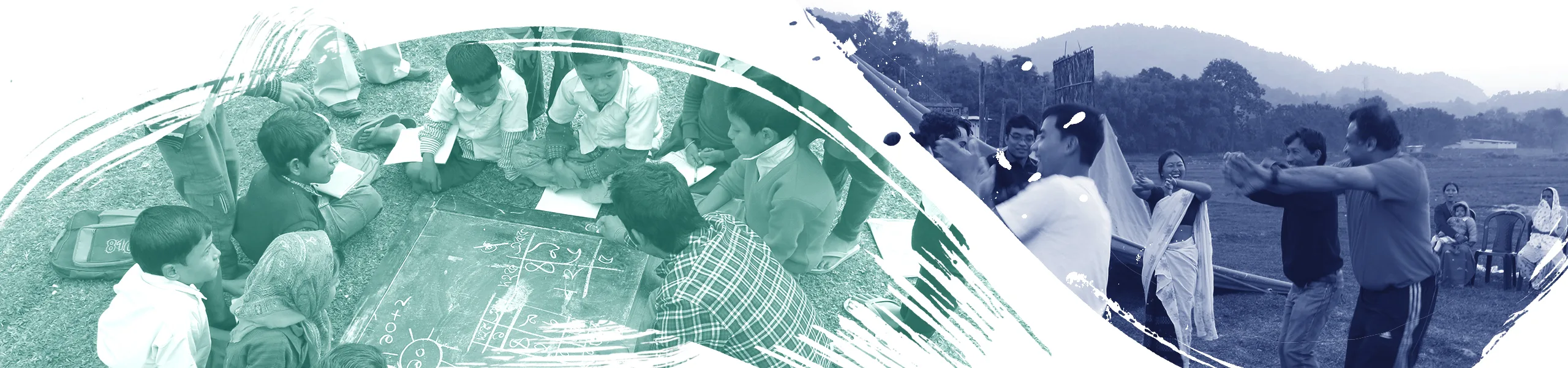
Families gathered for a community health camp

A girl’s health is decided by the household she goes home to. Where the family cannot reach a clinic, cannot afford treatment, or does not know what is available, her health fails even when the school does everything right.

In the villages we serve, the nearest doctor is often far, transport is costly and small complaints are left until they are no longer small. Women in particular delay care until the household budget allows it.

Community Wellbeing brings care to the village: camps for the whole family, women’s health support, nutrition screening, hygiene work, and referrals that are followed until treatment actually happens.

Program Offering

What the Program Provides

Care is delivered where the family already is, and every element is designed to prevent the next illness rather than only treat this one.

Family Health Camps
A community camp

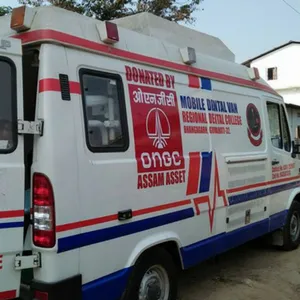
Medical and dental camps come to the village, staffed with the help of volunteer clinicians, and are open to every household rather than one group.

Camps are scheduled around work and the school calendar, so attending does not cost a family a day’s wages.

Women’s Health

A women’s health session

Women’s health sessions cover menstrual health, maternal care and when a symptom needs a doctor rather than waiting.

Supplies are provided discreetly, and women can raise concerns in a session run by women.

Nutrition and Anaemia

Children at a school

Screening identifies under-nutrition and anaemia in children and mothers, with practical guidance on what to eat from what the household already grows or buys.

Where a child is severely under-nourished, the case is referred and followed rather than noted and forgotten.

Hygiene and Sanitation

A hygiene session

Sessions cover handwashing, safe water, toilet use and household hygiene, the changes that prevent the illnesses camps are otherwise treating repeatedly.

Practical items are provided where their absence is the reason a family cannot follow the advice.

Referral and Follow-Up

A dental check-up

When a camp finds something it cannot treat, we refer the patient to a clinic or hospital and record what happened next.

Travel and treatment costs are covered or subsidised where they would otherwise end the case, and the referral is tracked to completion.

“The best way to find yourself is to lose yourself in the service of others.”

Mahatma Gandhi

Donate to our Community Wellbeing Program

Program Eligibility

Who Can Join the Community Wellbeing Program

Community Wellbeing is open to whole households in the villages we serve: mothers and fathers, children, and elders living in the same home.

There is no application and no fee. Camps are announced through the school and the panchayat, and any household in the village may attend. Patients needing specialist care are referred and supported individually.

Program Structure

How the Program Works

Three stages, fifteen steps. The measure is not how many people attended a camp, but how many were treated and how many referrals were completed.

Stage 1

Reach the Village

A community camp
  1. Village selection — We begin in villages where our education and skills programs already work, so camp follow-up connects to families we know.
  2. Local permission — The school, panchayat and elders are consulted before a camp is announced, and the purpose is explained plainly.
  3. Household survey — Field workers record households, chronic complaints, pregnancies and children under five who need closer attention.
  4. Camp scheduling — Camps are timed around work and school so families do not lose a day's wages to attend.
  5. Consent and privacy — Consent is taken before examination, and health details are recorded in a way that protects privacy. Read our safeguarding policy.

Stage 2

Deliver Care

A health session
  1. General camp — Doctors and dentists see adults and children, with common complaints treated on the spot where possible.
  2. Women's health session — Sessions on menstrual and maternal health are run separately, by women, with supplies available.
  3. Nutrition screening — Children and mothers are screened for under-nutrition and anaemia, with practical guidance given on the spot.
  4. Hygiene support — Handwashing, safe water and sanitation are covered, with items provided where their absence causes illness.
  5. Referral raised — Anything beyond the camp is referred to a named clinic or hospital, with the patient's consent and details recorded.

Stage 3

Follow Through

A dental check-up
  1. Referral tracking — Each referral is followed until the patient has been seen, not merely advised to go.
  2. Cost support — Travel and treatment costs are covered or subsidised where they would otherwise end the case.
  3. Repeat camp — Camps return to the same village, because one visit treats today's illness and does little for next season's.
  4. Records and learning — Patterns across camps shape what the next camp screens for and what the village sessions focus on.
  5. Pathway to education — Families engaged through health are invited to Community Education camps, where the conversation about a girl's future continues.

Our Impact

The Impact So Far

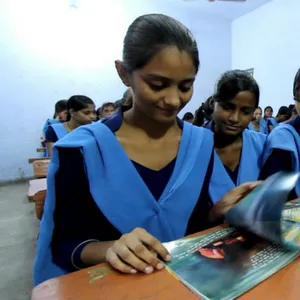
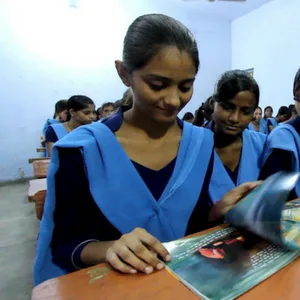
Girls at school

Success is fewer days missed, fewer girls lost to preventable illness, and families who know what to do before a small problem becomes an emergency.

Health, education and livelihood are one story: healthy girls stay in school, and educated girls build healthier families. A camp that treats a mother also protects the daughter who depends on her.

  • Families seen at medical and dental camps
  • Referrals completed rather than advised
  • Children screened for under-nutrition and anaemia

We report camp numbers and referral completion to supporters each year.

FAQs

See all FAQs

Contact us

Have a Question or Feedback ?