Support-A-Artisan


Support-A-Artisan Impact
Impact at a Glance
Working capital on terms she can meet
A route to sell what she makes
Loans that become a livelihood
The Need
Why It Matters
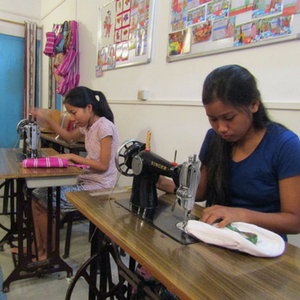
Program Offering
What the Program Provides
Five elements have to work together. Take one away, and the rest stop delivering what they promise.
Small, Fair Loans
Materials and Equipment
Pricing and Repayment Guidance
A Route to Market
Mentoring and Community
“The best way to find yourself is to lose yourself in the service of others.”
Mahatma Gandhi
Program Structure
How the Program Works
The process runs in three stages, and the same coordinator stays with her from the first conversation to the point where she no longer needs us.
Stage 1
Identify and Assess
Stage 2
Produce and Sell
Stage 3
Repay and Grow
The Impact So Far
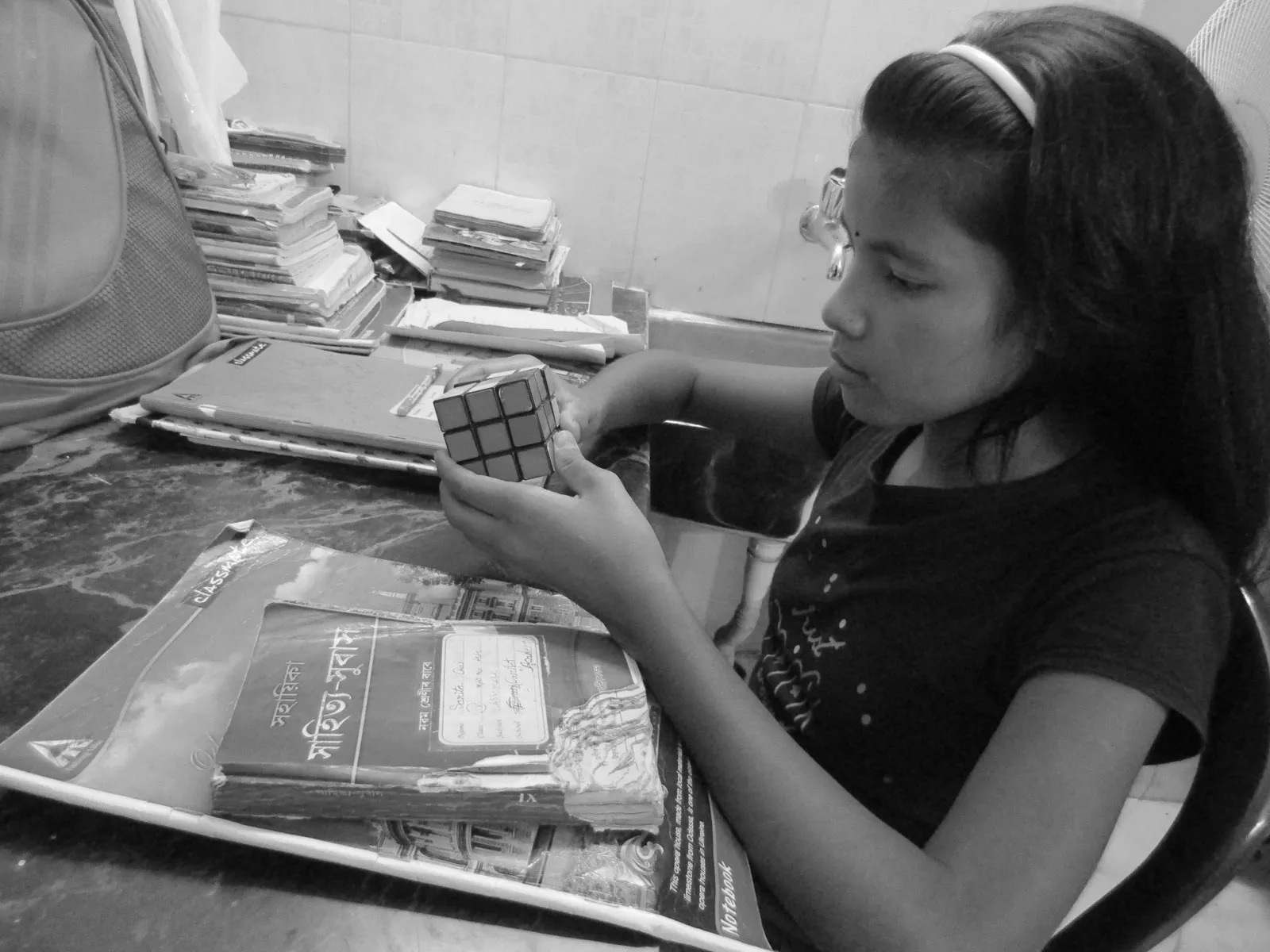
Success is an artisan who keeps practicing her craft, sells what she makes, repays her loan and earns a steady income. It is a workshop that stays open rather than closing, a skill passed on rather than lost, and a woman who is no longer dependent on others for her daily needs. We track loans made, repayment, and the income artisans earn — but the real measure is dignity: work she can call her own, on her own terms.
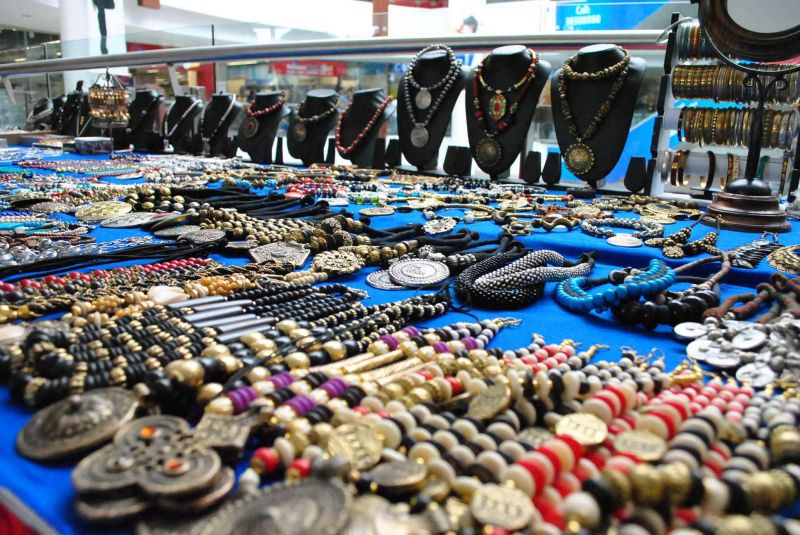
Give a woman the means to work, and she will not need saving — she needs only a fair start.
Support-A-Artisan
Program Eligibility
Who Can Join the Support-A-Artisan Program
Support-A-Artisan is for women artisans and producers who already have a skill or a product, but cannot buy materials at the scale they could sell.
Banks will not lend these amounts without collateral, so we lend on a written plan and a group guarantee instead. Applications come through our field team and partner organizations, and each is assessed individually.
Focus Areas
Alignment of Programs with Focus Areas
Seven programs, three focus areas. A girl can move from her first classroom to college, then to a trade, then to a market of her own — and the two community programs work with the family and village around her.
Girls Education
Where a girl starts and how she stays, from her first classroom to a college degree.
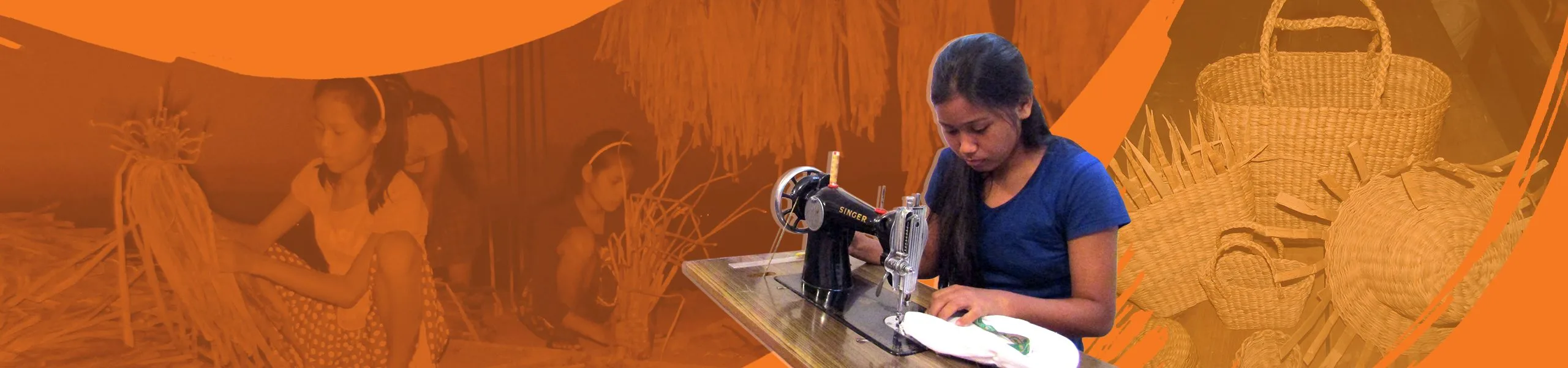
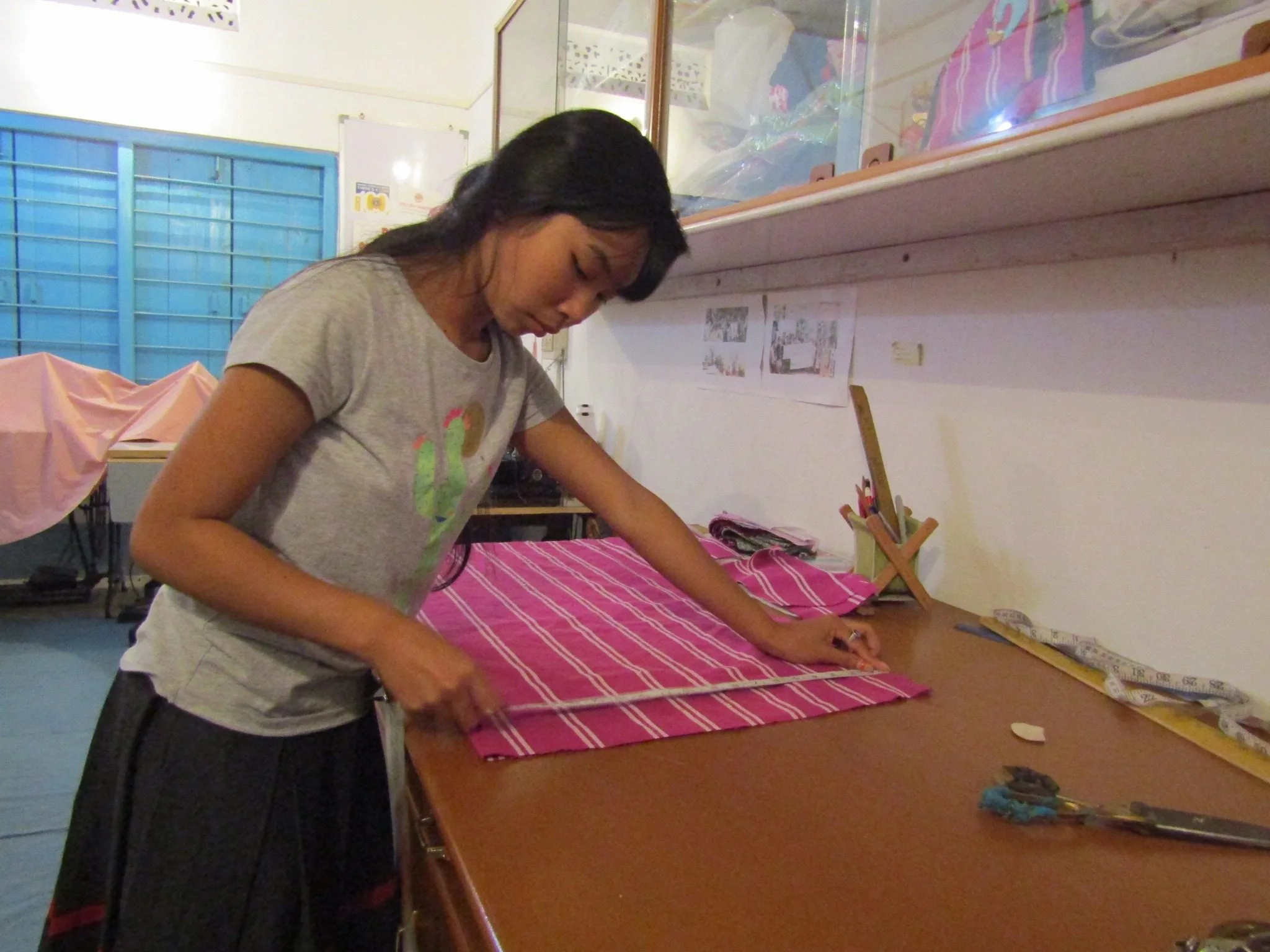
Women Empowerment
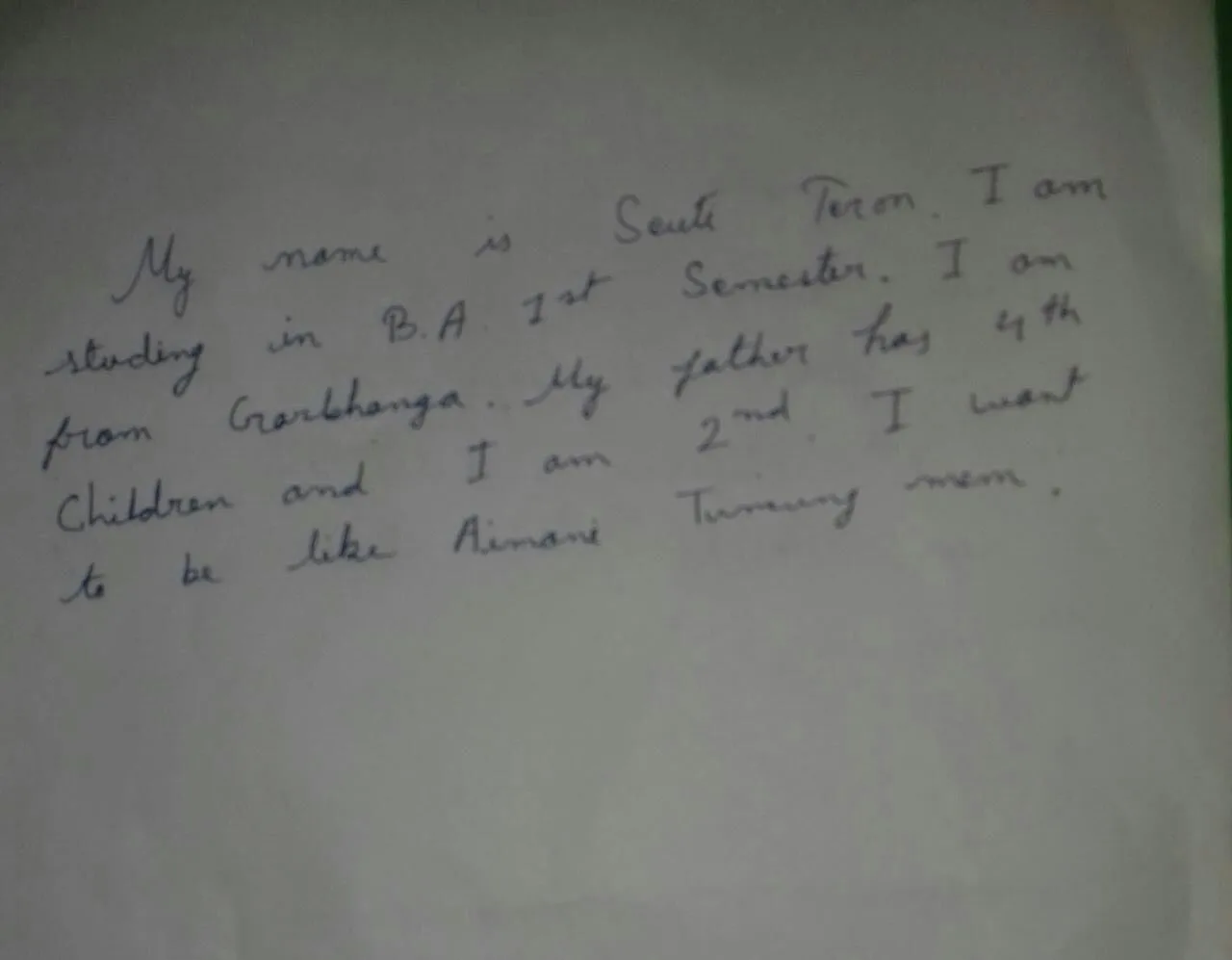
Where a skill becomes an income, and an income becomes independence.
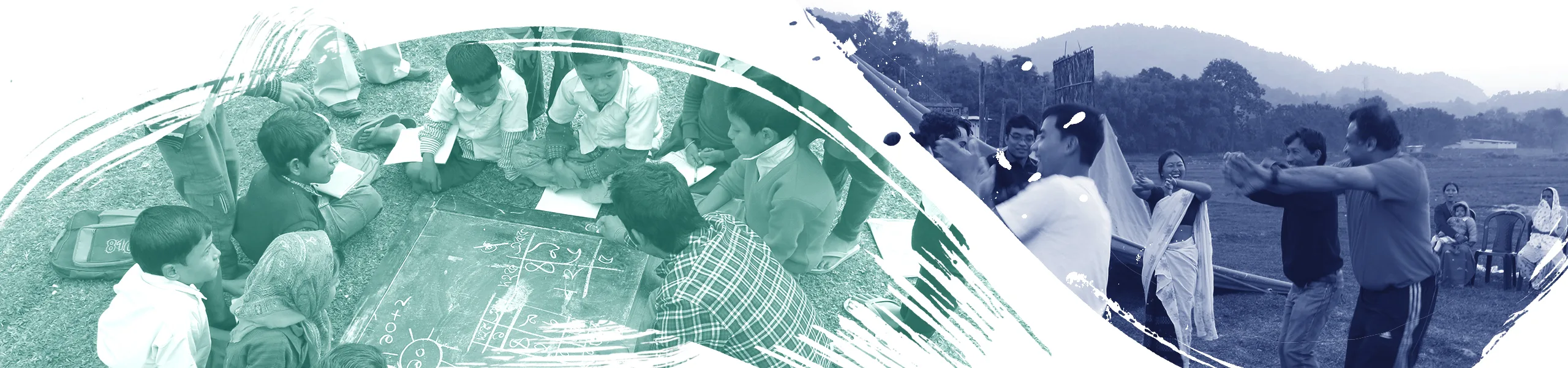
Social Change
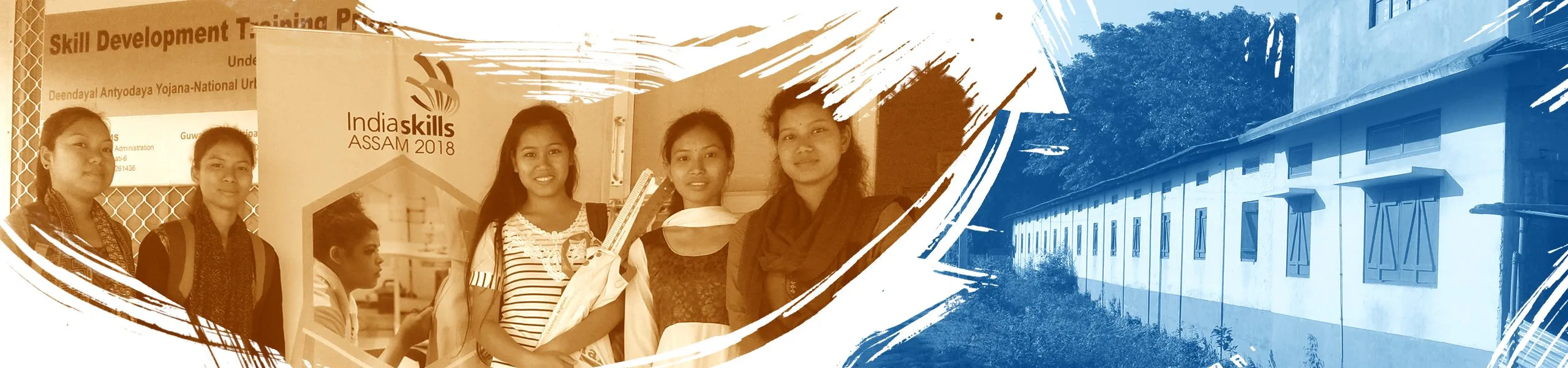
Where we work with the family and the village around her, because her progress depends on them.
Ways to Support


Frequently Asked Questions
These are small, fair amounts for women typically outside formal credit — exactly the gap banks do not serve.
Yes — the program links to Artisans Direct, our not-for-profit marketplace, so production has a fair route to buyers.
Women artisans who already have a skill or product but cannot buy materials at the scale they could sell. Most join through a local artisan group.
Loans are sized to one production cycle, based on her materials list, so repayment is possible from the goods she makes.
Repayment is planned in weekly instalments with her group, and reviewed early. A missed instalment is treated as a warning to fix the pricing or the product, not as a default.
US donors receive a receipt from Sneha Karma Foundation, Inc., a 501(c)(3) organization with EIN 47-3774368. For India, 80G details are available on request. Our donation policy explains receipts and refunds.
Yes. Supporters receive regular updates on activity and outcomes, plus an annual summary across the program. We do not share identifying details of beneficiaries without consent.
Visits can be arranged in advance where it is safe for the people we serve. Write to contact us and we will explain what is possible and when.
Donations fund program delivery directly: training, materials, accommodation, health care and staff time. Our financials set out income and spending, and 80G details are available on request.
Contact us
Have a Question or Feedback ?