Women's Empowerment


OUR FOCUS AREA
Women's Empowerment
Turning education into a skill, a job and a dignified income she can call her own.
Education opens the door; a livelihood is what she walks through. Women's Empowerment is where a young woman turns what she has learned into real, dignified work — the kind that pays her fairly, respects her craft and lets her lift her whole family with her.
Across India, unemployment is high and skilled people still go without work when they have no capital and no marketplace. This focus area removes both barriers: we train women in marketable skills, help artisans obtain the small loans they need to begin, and build fair marketplaces where their work is sold with dignity.
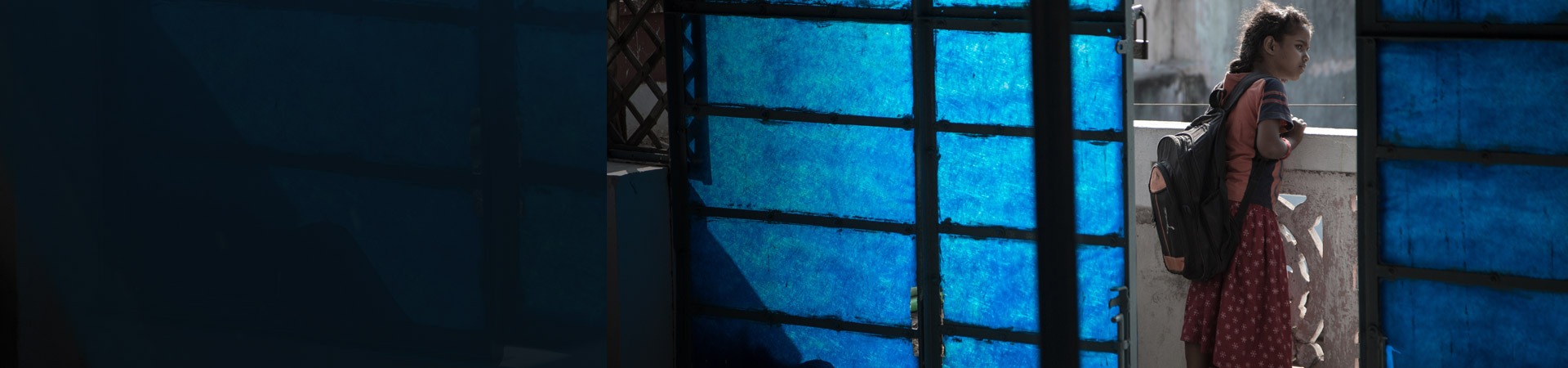
What this focus area covers
We provide vocational training and soft skills, small loans that let artisans buy materials and grow, and market access so the things women make actually reach a buyer. Along the way, women gain financial confidence and the business knowledge that turns a skill into a stable income.
We also work with the families and communities around these women, so that her income is seen as a source of pride rather than a threat — and her work is recognised as legitimate and worth respecting.
PROGRAM · WOMEN’S LIVELIHOOD
Skills Development
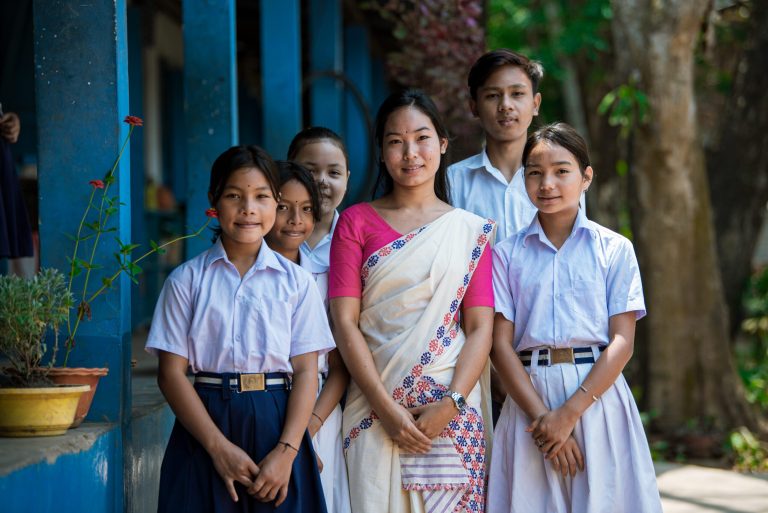
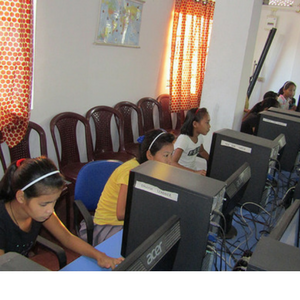
Skills Development gives a young woman the practical, marketable skills that turn her education into an income. Across India, even well-educated people can struggle to find work, and rural women face the steepest odds of all. We close that gap with vocational training that employers actually need — tailoring and garment-making, computer and digital literacy, food processing, beauty and wellness, and small-business basics — delivered close to home, in the language the women speak. Courses are built with local employers and market demand in mind, so what a woman learns is what someone will pay for.
Training is hands-on and paced around their lives, so women who are already carrying a household can still attend, learn and finish. Just as important as the craft itself are the soft skills that make it work: confidence, communication, punctuality, teamwork and knowing how to present yourself. Each course ends with practical support to help graduates find work, start earning from home, or move on to a loan through Support-A-Artisan. For many it is the first time they are paid for their own skill, and the first income they can call their own — the point at which education finally becomes independence.
PROGRAM · WOMEN’S LIVELIHOOD
Support-A-Artisan
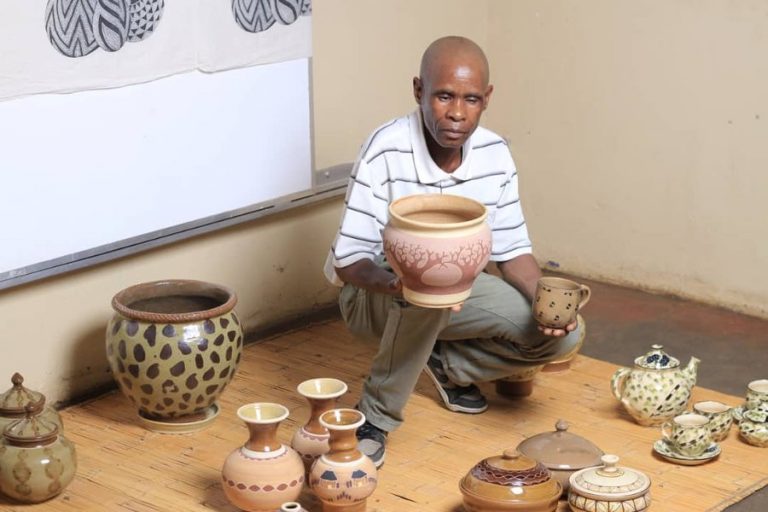
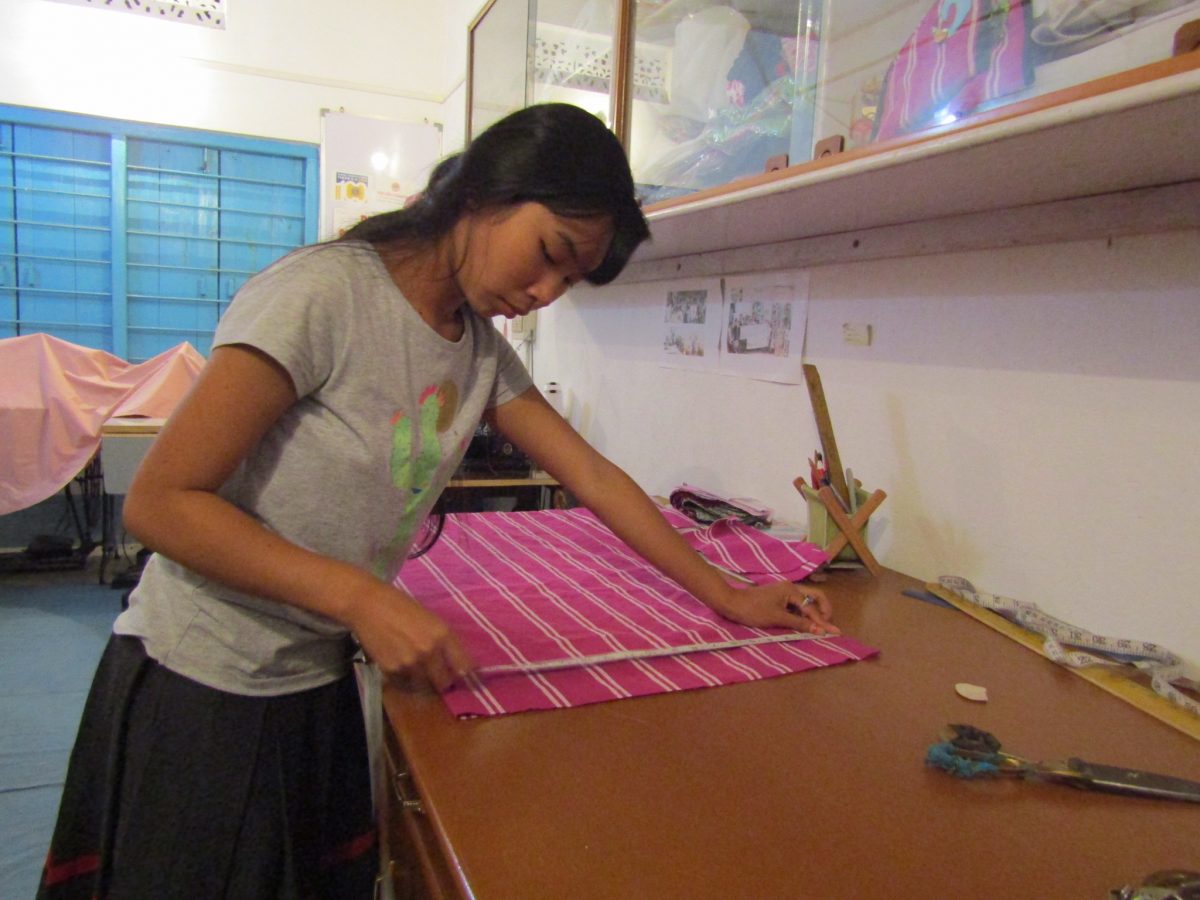
Support-A-Artisan exists for a simple reason: a skilled craftsperson with no capital is a craftsperson forced to give up her craft. Across rural India, women who have practised a family trade for generations can still be locked out of earning from it — without money to buy raw materials they cannot produce, and without a buyer their goods sit unsold.
Our answer is small, fair loans on terms an artisan can actually meet. Each loan is modest, specific and tied to her work: raw materials for a set of orders, a piece of equipment that raises what she can make, or stock to carry her through a season. Because the loan is repaid as she earns, the same money returns to the fund and is lent again — so one gift supports one artisan after another, in a cycle that keeps working. Alongside the capital comes guidance in budgeting, pricing and repayment, and mentoring from other women walking the same path. A repaid loan is more than money returned: it is confidence earned, a business that stands on its own, and work a woman can call her own, on her own terms — with her family’s heritage kept alive.
PROGRAM · WOMEN’S LIVELIHOOD
Artisans Direct
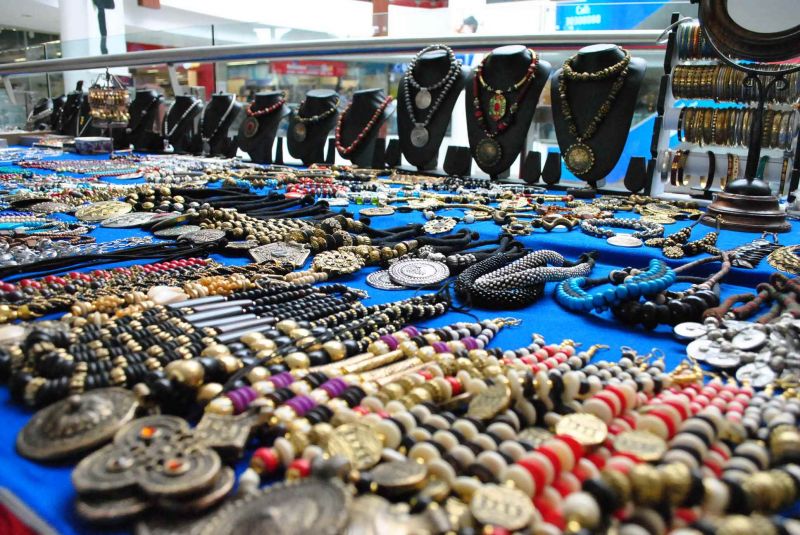
Artisans Direct is our fair-trade marketplace — the place where the crafts women make are finally sold with dignity. Training and loans can put a product in a woman’s hands, but without a buyer her skill still earns nothing. Artisans Direct closes that last gap by taking handmade goods to the people who value them.
We work directly with women artisans to source handloom and craft products — textiles, home goods and traditional items — and bring them to market online and through partners and events, so that more of the price she is paid reaches her, not the middlemen. When a craftswoman sells through Artisans Direct, she sets her goods against a fair price and keeps a meaningful share of it. The earnings also do double duty: proceeds help carry our other programs, so every purchase funds the mission. In this way a marketplace becomes more than a shop. It is proof that women’s work has value the market will pay for, a steady outlet for a skill that might otherwise be lost, and a way for buyers to turn an ordinary purchase into a daughter’s education, a loan for an artisan, or a skill for a young woman.
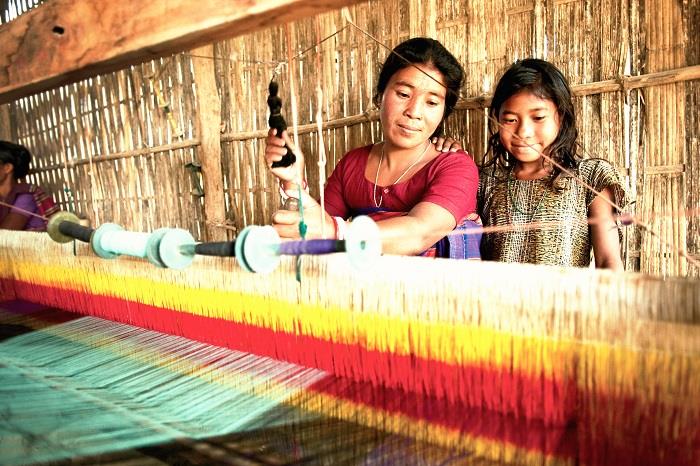
When a woman earns, she does not just support herself — she changes what her whole village believes is possible.
Women's Empowerment
Who this serves
Women who have a skill — or can build one — but lack the means to turn it into a stable income, and whose work goes unrecognised or unsold.
How we approach it
We treat skill, capital and market as one livelihood: training that leads to work, fair small loans to produce, and a marketplace to sell — so a woman ends up with an income she controls.
What progress looks like
A woman who earns, decides where the money goes, keeps her children in school, and whose standing at home and in the village rises. Income is the means; independence is the end.
Where this fits
- Skills Development — vocational training that becomes employability
- Access to Capital (Support-A-Artisan) — fair small loans to turn a craft into a livelihood
- Social Enterprise (Artisans Direct) — a not-for-profit marketplace for women artisans
Frequently Asked Questions
Because a skill alone is not a livelihood — all three are needed to earn, so we fund them together.
It is the next step: girls who learn can go on to earn.
Women's Empowerment — what this focus area sets out to do
Executive Summary
Women's Livelihood is where education becomes income. Sneha Karma Foundation's third focus area takes the girls we have educated and the women of their communities and turns learning into earning through three linked programmes: Skills Development, which gives young women marketable, employable skills; Support-A-Artisan, which provides small loans that let artisans buy materials and grow a business; and Artisans Direct, which builds fair marketplaces where the things women make can be sold with dignity. Together they complete the journey that begins with a changed belief and a classroom, and ends with a woman holding an income of her own.
Statement of Need
Education without economic opportunity leaves a woman dependent, and dependency is what our whole approach exists to end. In the communities we serve, young women leave school or training with no local labour market to absorb them and no capital to start for themselves. Artisans — weavers, tailors, craft-makers — produce beautiful work but sell into markets that set the price against them: buyers with no alternative source of credit dictate terms, middlemen capture the margin, and a woman who has made something of value cannot earn what it is worth. The consequence is familiar: talented women abandon their craft because it does not pay, and households remain one bad season away from pulling a daughter out of school.
Two problems therefore need solving together. The first is capability — many women lack the specific, current skills that employers and markets actually pay for. The second is capital and market access — even capable artisans cannot scale without working capital or a fair route to the buyer. Addressing only one of these leaves the other to undo the gain.
Project Goal
To enable underprivileged and educated women to earn a stable, dignified income of their own, converting education into livelihood and livelihood into lasting household security.
Objectives
1. Deliver market-aligned skills training that leads to demonstrable employability or self-employment. 2. Provide small, repayable or revolving loans so artisans can buy materials and grow production. 3. Build fair market access for women's products, so producers capture a fair share of the final price. 4. Support the transition from training to income — job placement, first customers, mentoring. 5. Track income earned, businesses sustained, and loans recycled so that impact is evidenced.
Expected Outcomes and Impact
We expect participant women to earn a measurable income within a defined period, to sustain that income beyond the first year, to repay and recycle loans, and to increase their households' resilience — the buffer that keeps a daughter in school when a season goes badly. The compounding effect is the point: a woman who earns has daughters who stay educated, and she becomes proof in her community that a girl's education pays.
Sustainability and Scalability
Support-A-Artisan is designed as a revolving fund: loans repaid become loans for the next woman. Artisans Direct aims to become a self-sustaining route to market rather than a subsidy. Skills Development is cost-efficient per participant and replicable across villages, and each skilled, earning woman becomes a trainer and an example for the women around her.