
Education & Literacy
Education lifts people out of poverty and promotes equality — yet for a girl in rural India, going to school is often the exception, not the rule. Education is seen as an investment only in sons: a boy is prepared to become the future earner, while a girl is prepared to marry into another house. In poor households she is kept home to help with chores, because learning household work is thought to raise her value in the marriage market.
Distance, safety and facilities close the door further. Rural schools often lack quality teaching, female teachers, electricity and basic facilities, and children may have to travel miles to reach them — for a daughter, fear for her safety on the journey becomes one more reason to keep her home. Many schools have no working toilets, and many girls have no access to sanitary pads, so after puberty they begin staying home during their periods and eventually drop out altogether.
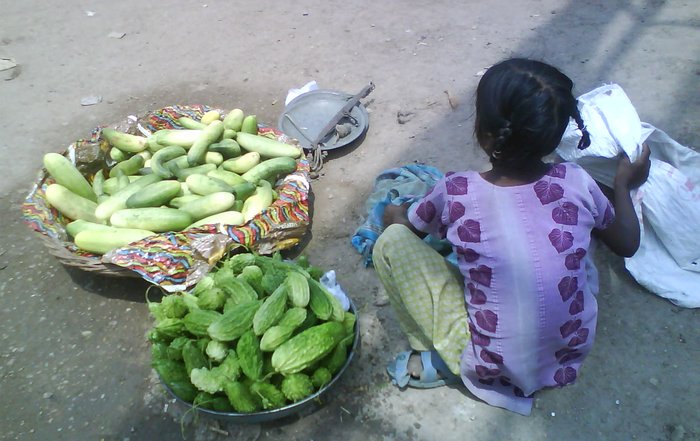
The scale is staggering. According to UNICEF, about 40% of children aged 6 to 14 in India never complete elementary education, and a UNESCO study found 47 million adolescents who have not progressed to upper secondary school — the highest number in the world. Girls, especially from Dalit and tribal communities, are the most likely to be left behind.
A girl who is pulled out of school does not simply pause her education — she often loses it for good. The gap persists into adulthood and passes to the next generation. On 2011 data, 82% of Indian men but only 65% of women aged seven and above could read and write, and the gap is widest among the poorest families and in rural communities.
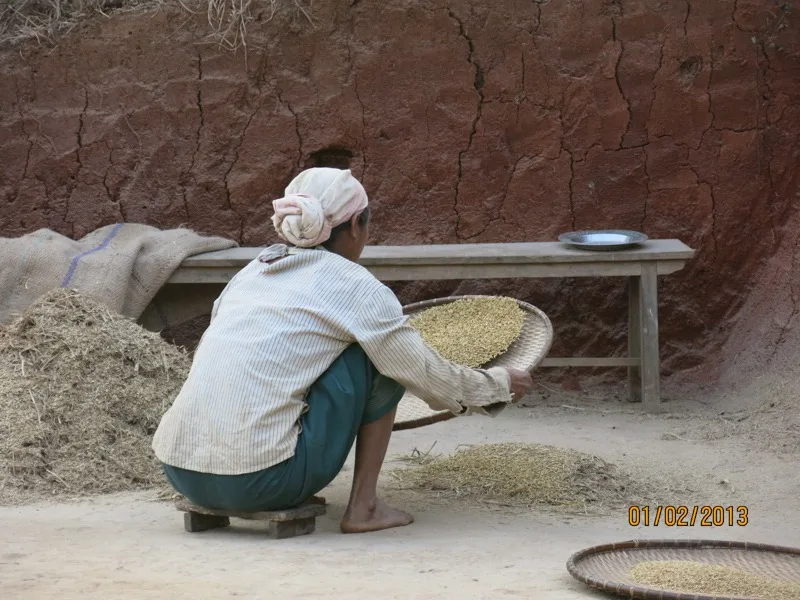
Illiteracy is rarely only about reading. A woman who cannot read struggles with a medicine label, a bank form, a government notice or a bus timetable. She cannot help her own children with their homework, so they are more likely to struggle in school too — and the cycle repeats. She is far more likely to be excluded from decisions about her household, her land and her money, because documents and forms are closed to her. She is also easier to cheat and easier to keep dependent.
For a girl, literacy is the difference between being spoken for and speaking for herself. The reverse is equally powerful: an educated mother is far more likely to send her own daughters to school, which is how the cycle of illiteracy is finally broken. Keeping girls in school is not only about their own futures — it is the single most reliable way to end illiteracy in the generation that follows.