For more than fifteen years, our Support-A-Girl program has kept underprivileged girls in school. But staying in school is not the same as being free to chase a dream. The girls who refuse to stop there now need something more.
Fifteen years of Support-A-Girl taught us one thing
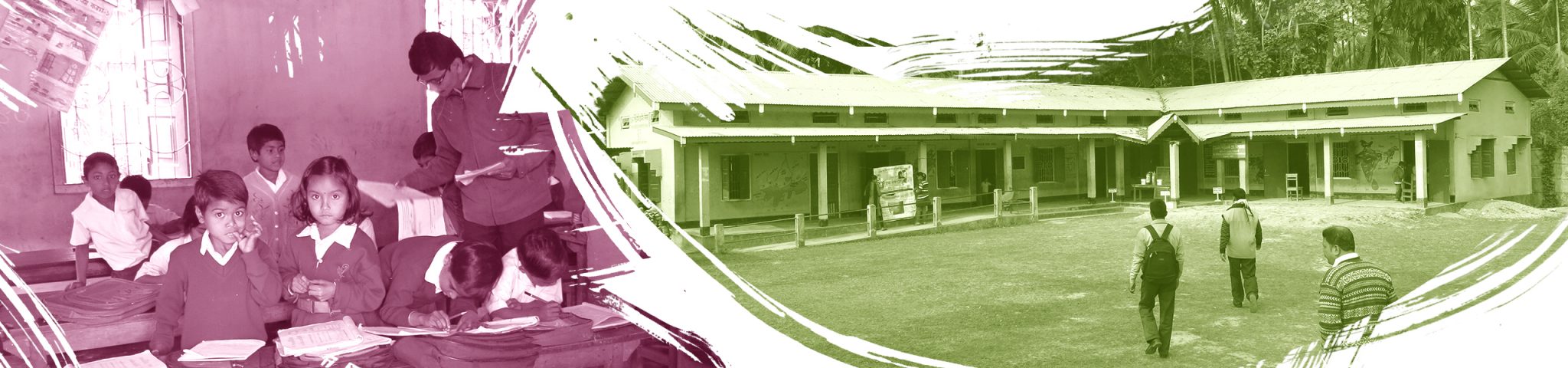
When Sneha Karma Foundation began the Support-A-Girl program, our mission was simple and urgent: make sure an underprivileged girl is not pulled out of school. For fifteen years we have paid fees, bought uniforms and books, and stayed close to families in the forest villages of Assam so that a girl could finish what she started. Thousands of small interventions later, the program works — girls stay in school, and many go further than anyone in their family ever did.
But fifteen years in the field also taught us something uncomfortable. Basic education is necessary, but it is not enough. Time and again we watched a girl finish her schooling with real ability and real ambition — and then simply stop. Not because she had run out of talent or desire, but because the road ahead had no bridge. She had reached the edge of what her family could afford and of what our current program was built to support.
The situation: talent with nowhere to go
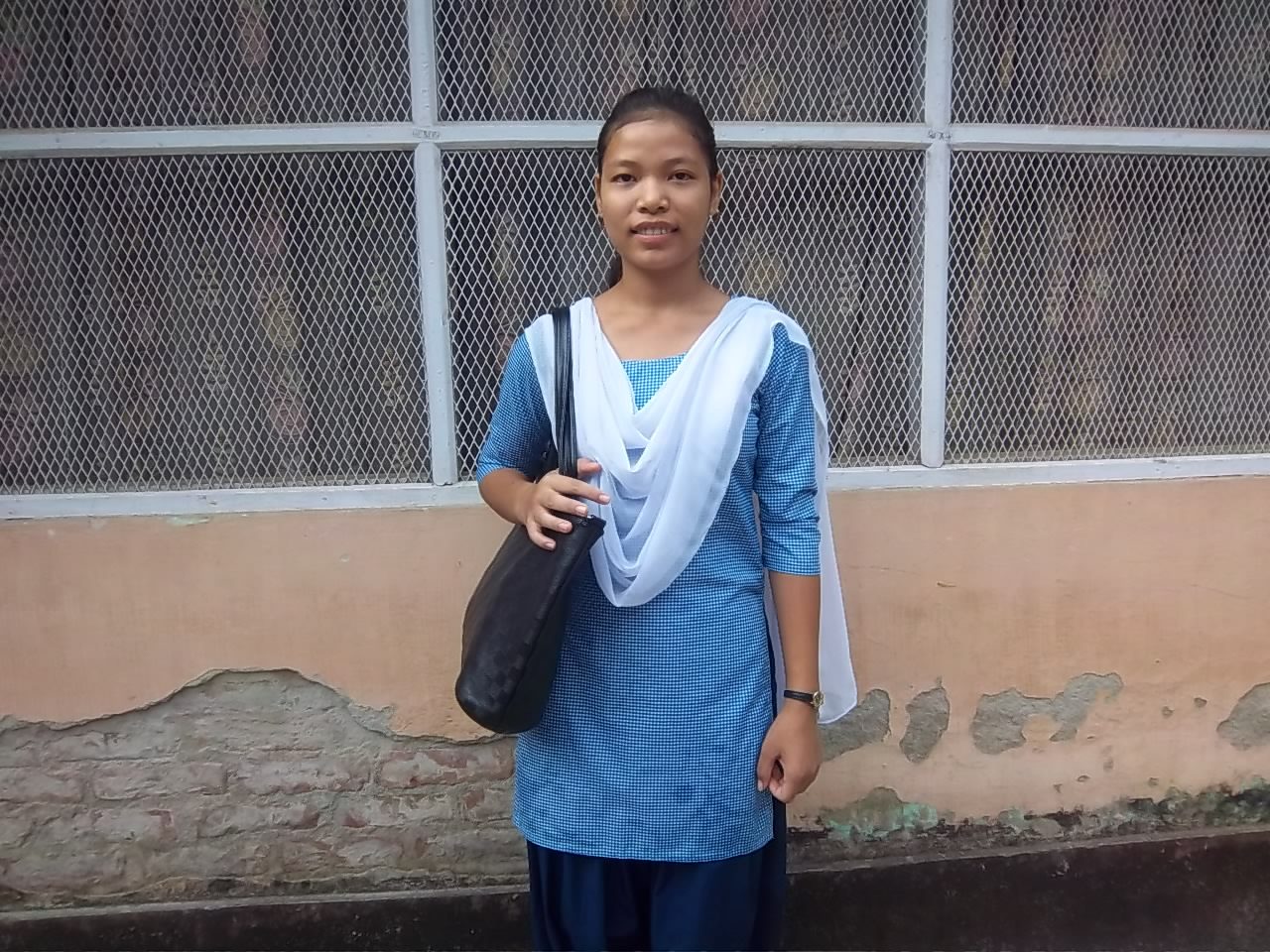
Picture a girl who has just passed her board exams. She wants to become a nurse, a teacher, a computer professional, a tailor with her own boutique — or to train in a trade that would let her earn with dignity. She has the marks, and she has the determination. What she does not have is a way to get there.
Tuition for a professional course. Exam and registration fees. A safe place to stay while she studies away from home. Coaching to clear an entrance test. Books, a laptop, a uniform, travel. Any one of these can be the reason a dream ends. For a first-generation learner from a family living hand to mouth, every one of these is a wall. And behind each wall stands a relative asking the same question: why send a girl so far, for so long, when she could be married instead?
“Sneha Karma has taken up a commendable goal of nurturing and educating girls in a location which is not served by civic amenities — in the jungles of Assam, India. I am happy to contribute and be associated with the organization.”
Srinath Unni Krishnan
Donor
Why existing programs are not enough
We are not the only ones working on this. Government schemes, state and central scholarships and other sponsorships do exist, and they do good work. But experience has shown us that they rarely cover the whole journey. A scheme may pay tuition but not the hostel that made attending possible. Another may cover fees but not the exam or registration charges that decide whether a course counts for anything at all. Still another may fund a seat but offer no one to guide a nervous first-generation student through forms, deadlines and choices.
Those uncovered gaps are exactly where girls fall through. A scholarship that pays for half a journey is, in practice, a scholarship that pays for none of it. This is the space we believe we are meant to fill — not by duplicating what already exists, but by complementing it and closing the gaps that quietly end careers before they begin.
The complications and the implications
We would be naive to think this is only a question of money. The complications are human, and they are real:
Money alone does not carry a girl through. Without guidance and accountability, even well-funded students drift, change courses, or quietly drop out.
First-generation learners have no map. No one at home has navigated college admissions, entrance exams or professional courses, so small mistakes become expensive dead ends.
Distance from home brings risk. Hostels, travel and city life raise safety and cultural concerns that families weigh heavily.
Family pressure is relentless. The nearer a girl gets to a career, the louder the voices urging marriage instead.
Documentation and language. Forms, portals and deadlines assume a confidence and fluency that many rural girls have never been given.
The implications cut both ways. Get this wrong, and we do real harm — we lift a girl’s hopes with a promise of support and abandon her halfway, which is worse than never starting. Waste a scholarship on the wrong candidate or the wrong course, and a life is lost and a donor’s trust is spent. Get it right, and the return is generational: one girl with a career changes what her sisters, her daughters and her whole village believe is possible.
“When you educate a woman, you educate a nation.”
African proverb
Our position: a dream should not die for want of a fair chance
Sneha Karma Foundation takes a clear stand. Talent is everywhere; opportunity is not. If a girl has the ability, the discipline and the hunger to build a career — whether through academic education or vocational training — then the accident of her birth should not decide her future. Our position is simple: the underprivileged girl must be supported to pursue her dream, not asked to shrink it to fit her circumstances.
Our response: a dedicated Scholarship Program
That is why, after fifteen years of running Support-A-Girl, we are introducing a Scholarship Program for deserving underprivileged girls who want to go beyond basic education and build a career in a chosen field — through academic education or vocational training. It is designed to sit alongside government schemes and other sponsorships, complementing them rather than competing with them, and to close the gaps they leave behind:
Accommodation — a safe place to stay so that studying away from home is possible.
Tuition and exams — course fees, exam and registration charges that decide whether a qualification is finally hers.
Mentoring and coaching — preparation for entrance tests and steady guidance through the system.
Materials and essentials — books, equipment, uniforms, travel and the small costs that quietly sink big plans.
Coordination — helping her access the government and private support she is already entitled to.
Two features make this program what it is. The first is a designated mentor or coach for every girl in the program — one trusted person who knows her goals, tracks her progress and stands with her through every decision. The second is structure: strict entry criteria to select the girls who are truly ready, and equally strict criteria for continuing the scholarship, so that support is earned and sustained rather than simply given.
A mentor for every girl
A scholarship without a mentor is a cheque with no follow-up. Every girl in this program is matched with a designated mentor or coach whose job is not just to monitor her, but to guide her: choosing the right course, preparing for the right exam, solving problems before they become dropouts, and reminding her, on the hard days, why she started. For a first-generation learner with no one else to ask, that relationship may matter more than the money itself.
Strict to enter, strict to continue
We owe honesty to the girls we choose and to the donors who fund them. So entry is demanding: demonstrated financial need, genuine academic or vocational ability, a clear and realistic career goal, a mentor assessable plan, and a family that stands behind the decision. And once a girl is in, the scholarship must be kept — through steady attendance, passing results, regular meetings with her mentor, and adherence to a clear code of conduct. Strictness is not a lack of trust; it is the only way to make every rupee count and to honour a girl’s effort with a real, finished outcome.
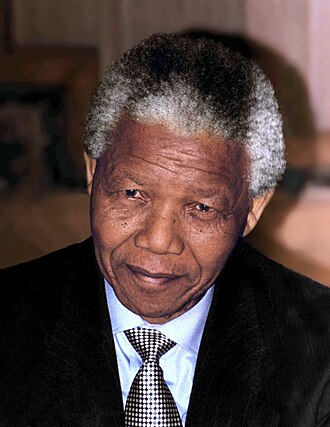
“Education is the most powerful weapon which you can use to change the world.”
Nelson Mandela
Former President of South Africa
The benefits we foresee
We are building this program because we believe in what it will produce, not merely in what it costs. Among the benefits we foresee:
Girls who finish — more underprivileged girls completing higher education and vocational training instead of dropping out at the last mile.
Careers, not just degrees — graduates entering real professions and trades with the competence and confidence to earn.
Financial independence — young women whose income changes their standing at home and in their community.
Families and villages transformed — the ripple of one employed daughter across her siblings, her children and her neighbours.
Role models and mentors — a growing circle of women who can, in turn, guide the girls who come after them.
Accountable, effective giving — a structured program where donors can see exactly how their support turns into a finished career.
From schooling to a career
Support-A-Girl gave our girls a start. The Scholarship Program is how we help them finish — and then begin the life they were meant to have. It will take time, patience and discipline, and it will be held to the highest standards precisely because so much depends on it. But a girl with a dream, a mentor beside her and the gaps closed around her is no longer a risk; she is a certainty worth investing in. That is what Sneha Karma Foundation intends to build — one career, and one independent woman, at a time.