
On July 13th, 2015, Sneha Karma Foundation USA was officially born. But the idea behind it did not begin in a boardroom or a filing cabinet. It began four years earlier, in a small classroom in Cusco, Peru — and it was shaped by the many journeys that followed across Assam and the rest of India.
A date to remember
Every organisation has a founding moment on paper. Ours is July 13th, 2015, the day Sneha Karma Foundation USA was officially registered. It is a date that matters — it turned a deeply personal conviction into an institution that could receive support, partner with others and serve at scale. But the paperwork only formalised something that had already been growing quietly for years.
To understand what was born that July, you have to go back to December 2011, to a month I spent volunteering in Peru through IVHQ — a month that changed the direction of my life.
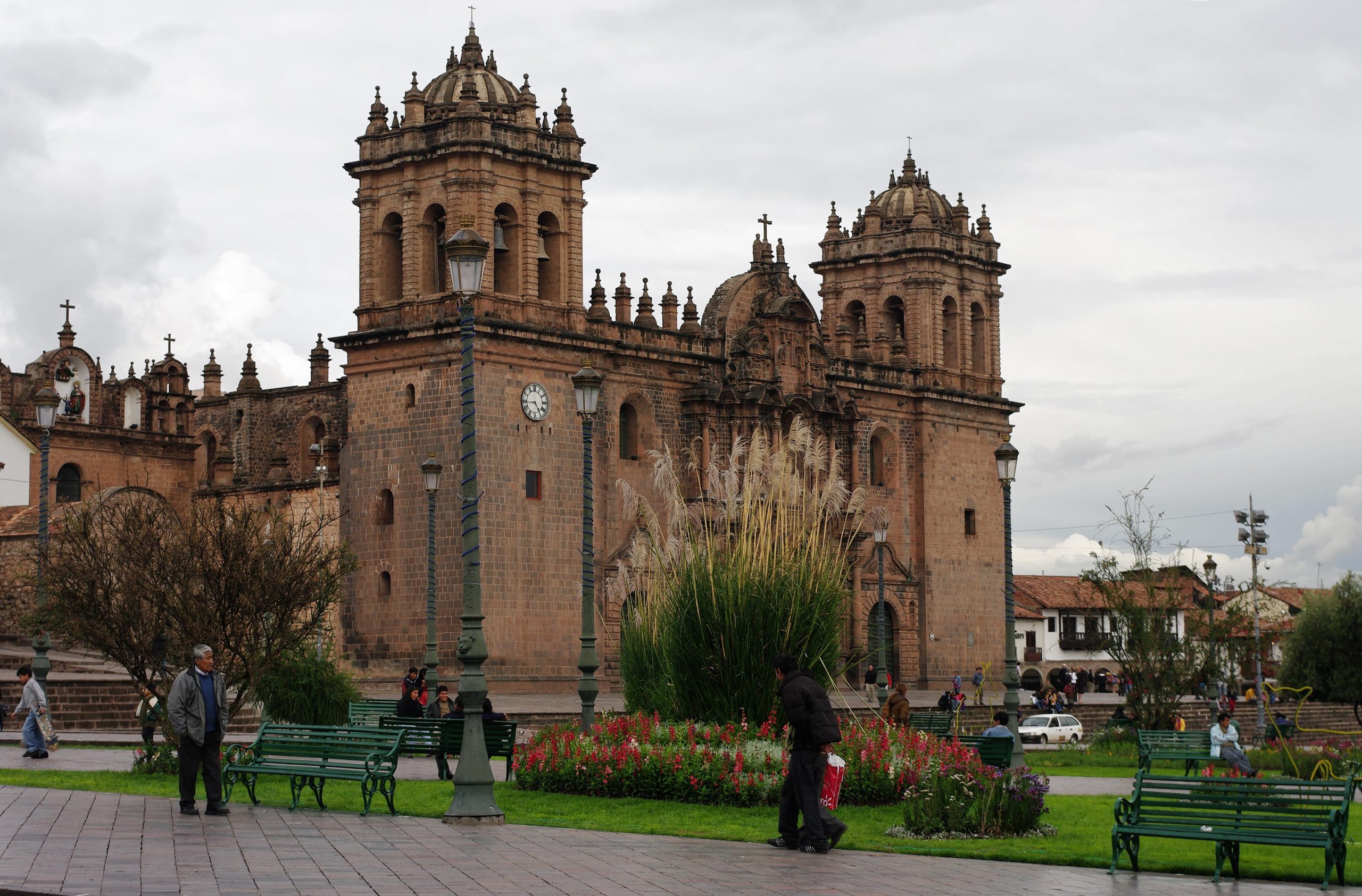
Where it all began: one month in Peru
In Cusco I taught conversational English to underprivileged men and women between the ages of 25 and 50. They were the people a visitor meets on every trip — the guides who lead you through the ruins, the vendors who sell textiles in the markets, the drivers and porters and cooks behind the tourist economy. Bright, hardworking, and held back by a single missing key: the ability to speak the language of the people who visited their town.
Teaching them was not simply a language lesson. A guide who speaks clearly earns more and works more steadily. A woman who can greet a visitor in their own language makes a sale. In a few weeks, I watched confidence grow where there had been hesitation, and I understood something that has guided everything since: a skill that is valued by a local economy does not just enrich a mind — it changes a livelihood.
Living with a homestay family made the lesson even deeper. I was not observing poverty from a respectful distance; I was living alongside it. I saw that what was missing was not talent or effort, but opportunity. On the journey home, I could not stop thinking about my students — and the question that stayed with me was simple: what if this could be done deliberately, for the people who need it most?
The long road home
Peru broke something open in me. I came home with a purpose I had not had before, but also with more questions than answers. Wanting to give back is not the same as knowing how to. It is easy to impose a solution you are proud of; it is harder, and far more useful, to first understand the ground you want to serve.
So before building anything, I travelled. Multiple trips across Assam and other parts of India followed, and each one taught me what no report could. I met families in forest villages where a girl is often the last to be sent to school and the first to be pulled out of it. I visited communities where poverty and gender inequality reinforce one another so tightly that removing one barrier without the other changes very little. I sat with parents, teachers and local leaders, and I listened far more than I spoke.
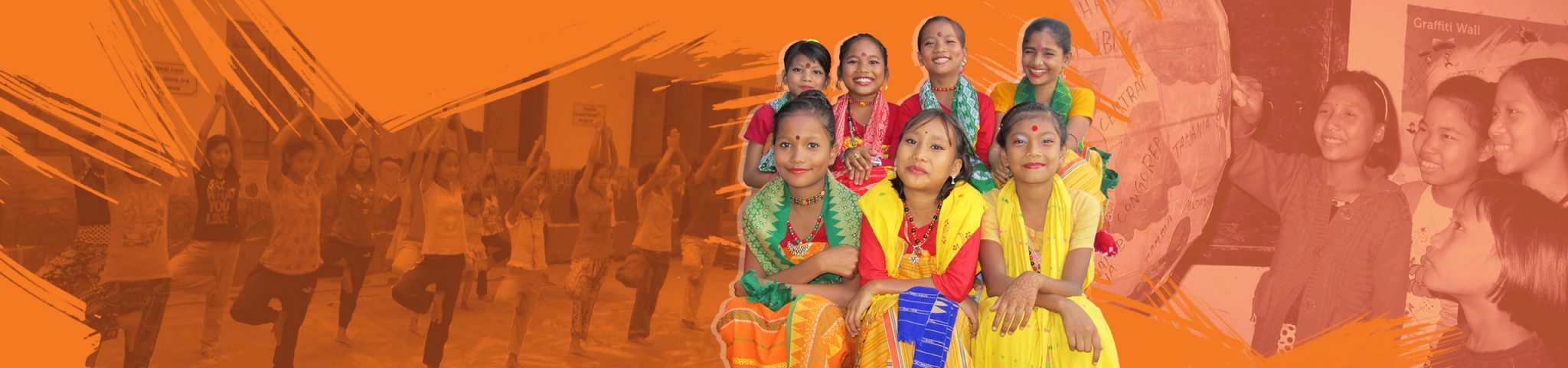
Listening before building
Those journeys refined the idea into something grounded. I saw that the deepest, most durable change happens when you address both the practical and the social at once — the education, the skills and the livelihood and the beliefs that decide whether a girl is allowed to use them. I saw that an intervention only lasts when the community owns it, and that trust is built by showing up again and again, not by arriving once with a grand plan.
I also learned to focus. It is tempting for a young organisation to try to solve everything. The trips made the choice clear: our work had to begin with the people who were the most overlooked and the most capable of transforming their own futures.
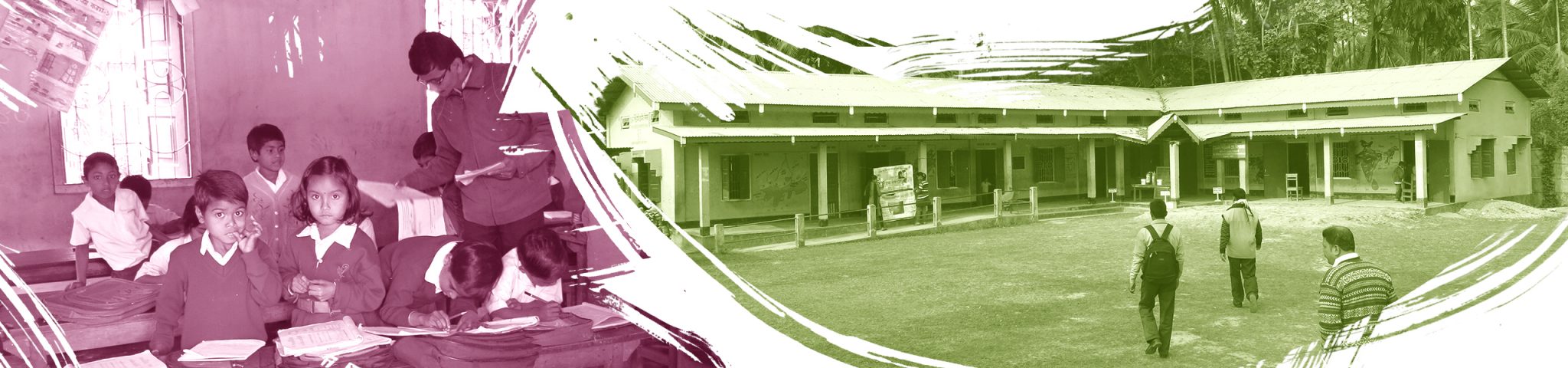
Finding the heart of the mission: underprivileged girls
Sneha Karma Foundation was born with a clear idea: to support underprivileged girls. A girl who is educated does not only change the course of her own life — she rewrites the story of her family, and a generation of girls rewrites the story of a nation. Give a girl the same chance as her brother, and she does not need rescuing; she needs a fair start.
That belief shaped everything. From academic education for a girl from the classroom to a career, to practical skills for the girl who left school too early, to dignified livelihoods for women artisans — each program was designed to hand a girl the tools to stand on her own. Not charity, but opportunity; not a handout, but a fair start.
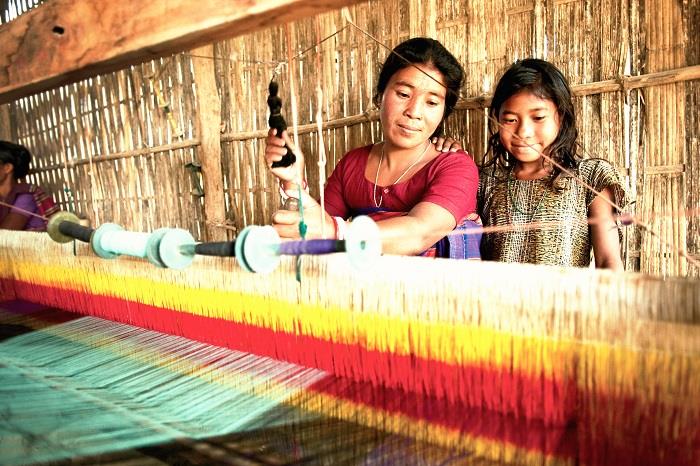
Forming Sneha Karma Foundation USA
On July 13th, 2015, the conviction that began in Peru and was tested across Assam finally took institutional form. Sneha Karma Foundation USA was registered as a non-profit in the United States — a promise made official: to care for girls until care is no longer needed, and to walk with them through academic education, skills training and professional development until they become independent and self-empowered.
The name carries the whole idea. Sneha means care; Karma is the result of what we do. Care, turned into action. That is what was born on July 13th, 2015 — not just an organisation, but a commitment to turn empathy into outcomes and good intentions into measurable change.
Looking forward
A founding date is a beginning, not an achievement. Since that July, the work has grown — programs from the classroom to the career, girls supported since our founding, villages reached, and a vision of being independent and self-funded by 2030. None of it would exist without the month in Peru that started the question, or the patient journeys across India that gave the answer.
July 13th, 2015 is where Sneha Karma Foundation USA was officially born. The idea, the listening and the purpose were already there — waiting for a name, a structure and a community of people willing to help a girl get the fair start she deserves.
July 13th, 2015 — the day a Peruvian classroom, an Assamese village and a simple conviction became an organisation.