
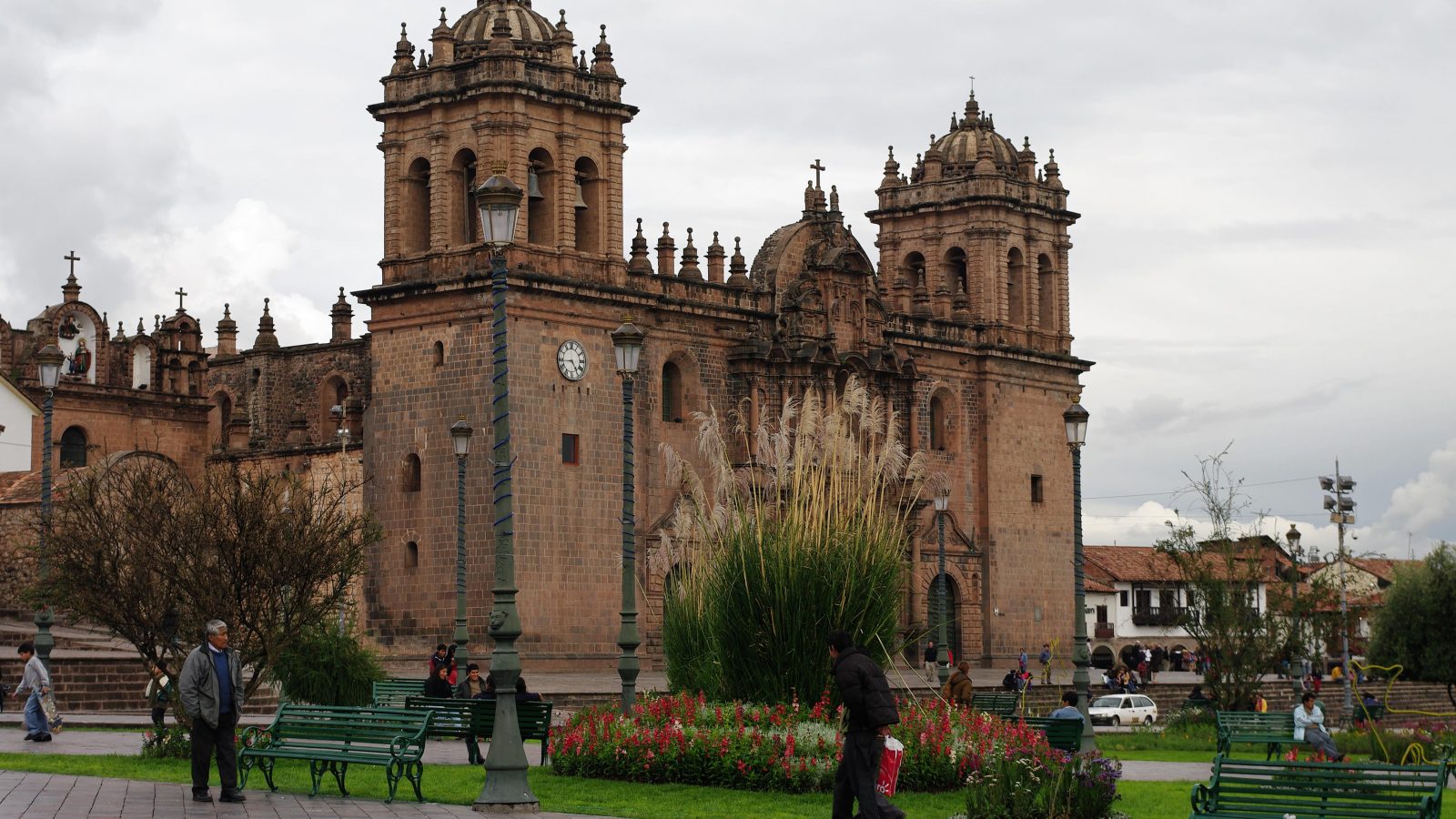
December 2011. One month. One small classroom in Cusco, Peru. I arrived expecting to teach English; I left with a completely different understanding of what social work means — and with the first spark of an idea that would eventually become the Sneha Karma Foundation.
Answering a call I didn’t fully understand
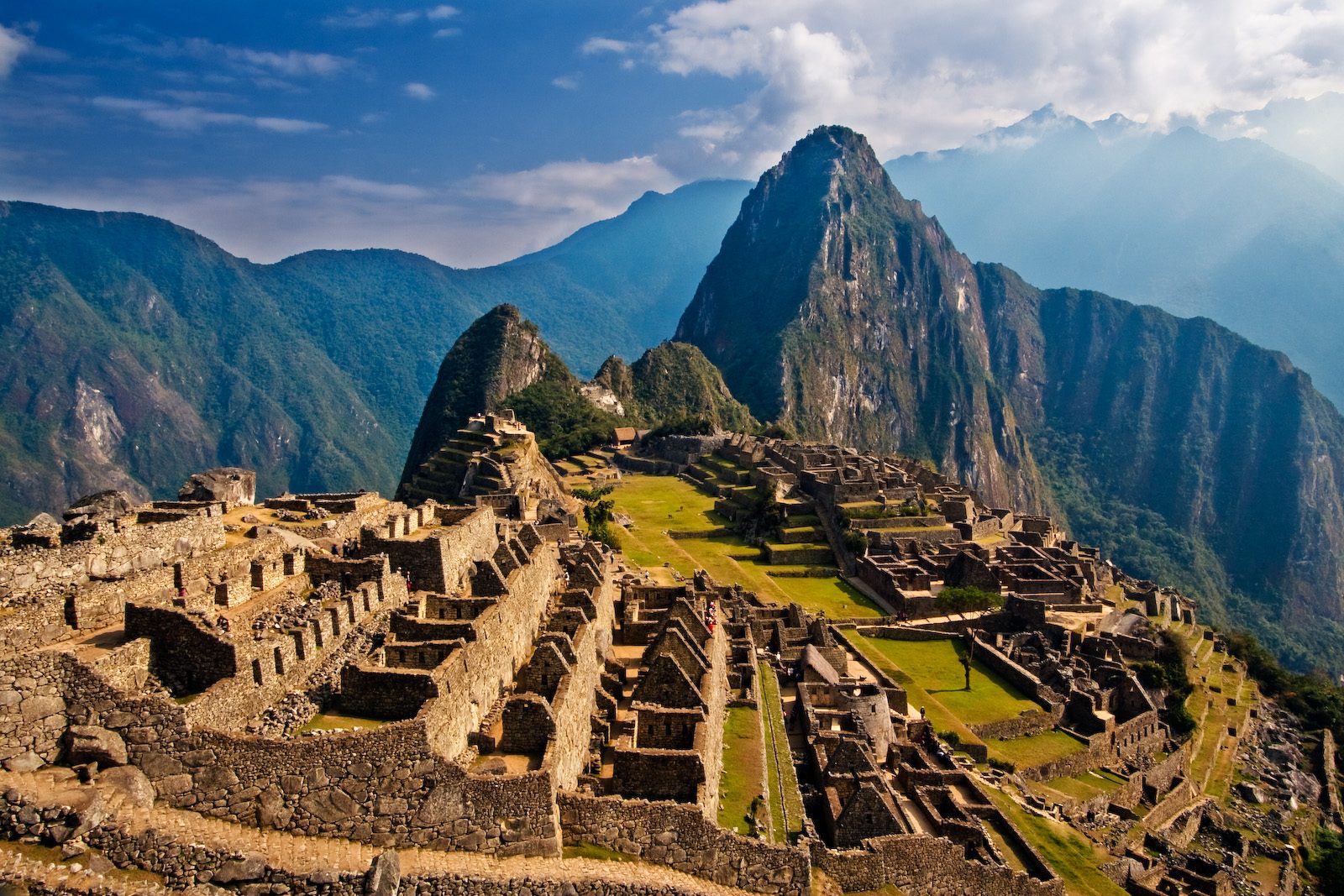
I had volunteered before, but never for a full month, and never somewhere that would pull me so completely out of my comfort zone. Through IVHQ (International Volunteering HQ), I signed up to teach conversational English in Cusco — the historic heart of the Inca empire and the gateway to Machu Picchu. I imagined lesson plans and whiteboards. What I did not imagine was how deeply the people I met would change the way I saw my own life.
Cusco runs on tourism. Every day, thousands of visitors pass through its cobbled streets on their way to the Sacred Valley. Behind that economy are the people who make it work: the guides who explain the ruins, the porters who carry supplies along the trails, the cooks and drivers and vendors. Many of them had learned English by ear, on the job, with no formal training. My students were exactly these people.
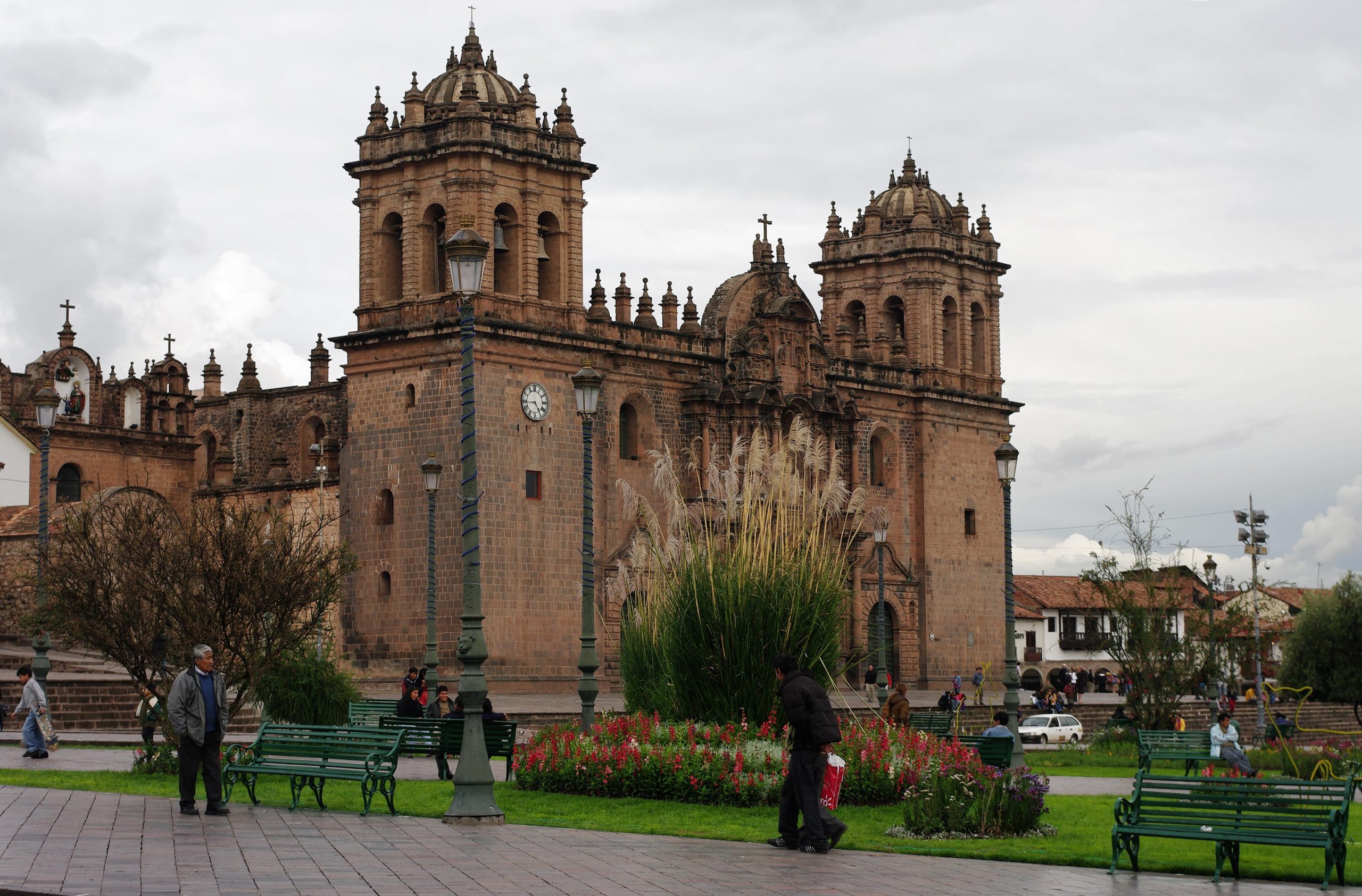
Teaching conversational English to men and women aged 25 to 50
My classroom was not full of children. It was full of adults — men and women between the ages of 25 and 50 — who had chosen to sit down after long working days and try to learn. Some were already guide assistants; others hoped to become one. One woman sold textiles in a market stall and wanted to speak with the foreigners who stopped to look. A father of three wanted to move from carrying luggage to leading tours, because a guide earns several times more.
We did not study grammar tables. We practised conversations. We role-played the questions tourists actually ask: Where is the trailhead? How long is the hike? What is the altitude? Can I take a photo? We worked on confidence as much as vocabulary. For an adult who has never been corrected kindly, the hardest part of learning a language is often the fear of sounding foolish. My job was to make mistakes safe.
Why English was not really about English
It became obvious very quickly that this was not a language class in any ordinary sense. English was a key, and behind the door it opened were livelihoods. A guide who can speak clearly and warmly earns more, works more steadily, and is chosen first. A vendor who can greet a visitor in their own language makes a sale. The skills my students gained did not simply enrich their minds; they put food on the table and school books in their children’s hands.
That was my first real lesson in what sustainable social work looks like. You can give a person a meal, and it helps for a day. You can teach a person a skill that their local economy actually values, and it helps for a lifetime. My students were not looking for charity. They were looking for a fair chance — and a fair chance, it turns out, is often something as practical as being able to speak to the people who visit your town.
Living in a homestay — embedded in the culture
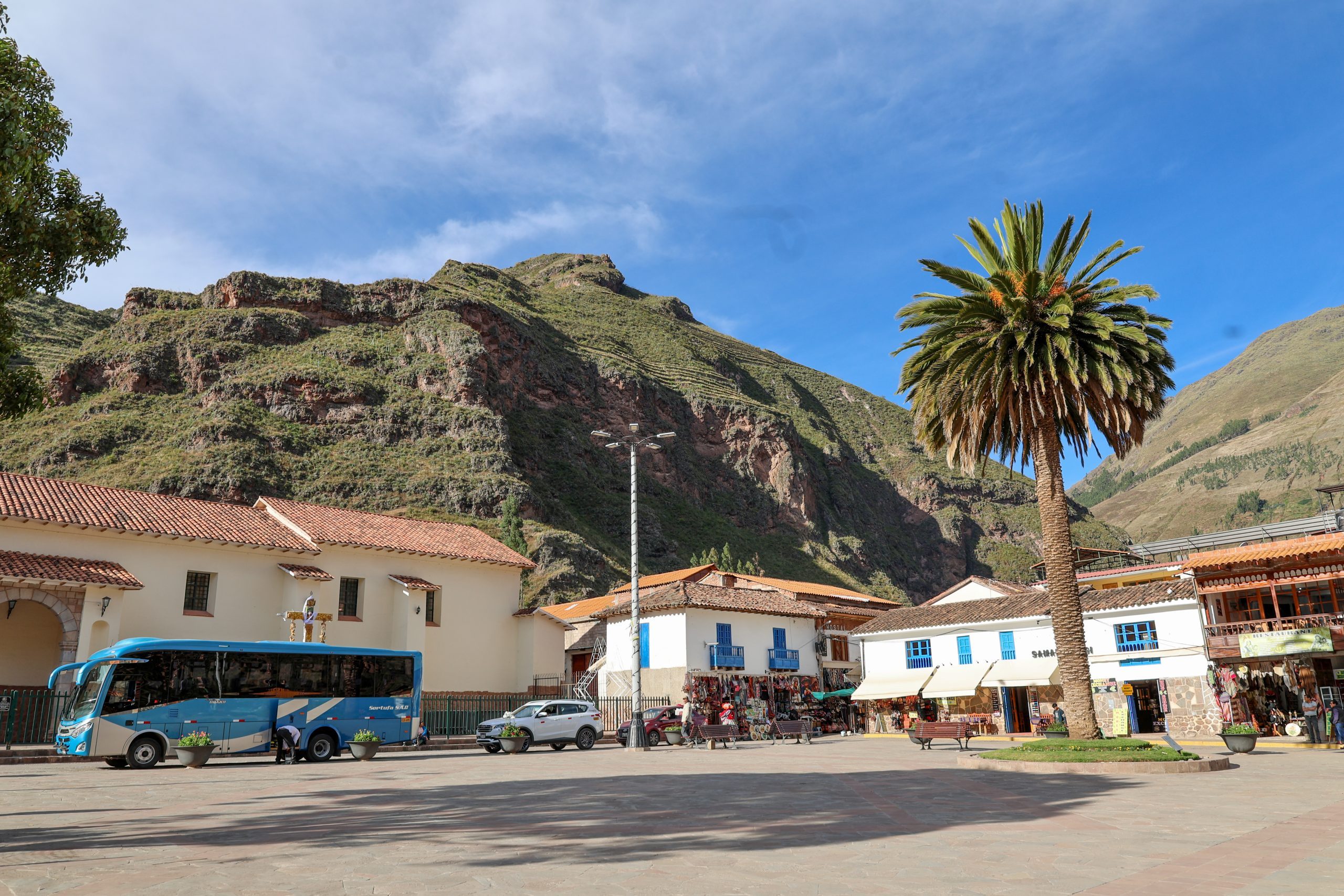
I chose to live with a local family rather than with other volunteers, and it was the best decision I made. A homestay is not a hotel with a friendlier face; it is an invitation into ordinary life. I woke early to the smell of bread and coffee, shared meals I could not always name, and learned the rhythm of a household that had its own joys and its own struggles.
In that home, Peru stopped being a destination and became a place where people I loved lived. I learned that culture is not the festivals you photograph; it is the way a family speaks to its elders, the way a mother talks about her daughter’s future, the way a community carries its history. Being the only outsider at the table taught me humility. It also taught me that the best way to serve a community is to first sit quietly and listen to it.
What one month taught me about social work
Before Peru, I thought of social work as something you did for people. I returned understanding it as something you do with people. The difference sounds small. It is everything. My students did not need me to rescue them — they needed me to show up, listen, and be useful for a while. Their dignity, their ambition and their capacity were never in question; what was missing was access.
I also learned what long-duration, on-the-ground volunteering does to the volunteer. A single afternoon can feel like a gesture. A full month makes you part of a story with a beginning, a middle and an unresolved end. You see the same faces change. You are there long enough to be trusted, and trust is the only soil in which real change grows. For the first time in my life, I was not observing poverty from a respectful distance. I was living alongside it, and I could see clearly that it was not a lack of talent or effort, but a lack of opportunity.
The birth of Sneha Karma Foundation
On the journey home, I could not stop thinking about my students. The guide who would soon be leading travellers through ruins in fluent English. The woman whose stall would now greet visitors from three continents. The father whose income, and whose daughters’ futures, had quietly changed. Every one of them had been held back by one thing: they had never been given a fair start.
That was the moment the idea of Sneha Karma Foundation was born. If something as simple as conversational English could transform a person’s livelihood, what could sustained support do — education, skills, and someone who refuses to walk away? I came home with a question I could not put down: what if we built an organisation whose entire purpose was to give underprivileged girls and women the opportunity they were never offered, and to stay with them until care was no longer needed?
Peru was my first long, onsite volunteering assignment — and it broke me open. It made me rethink my purpose in life. I stopped asking what I wanted to achieve and started asking whom I wanted to serve. Years later, that question still guides everything Sneha Karma Foundation does, from the forest villages of Garbhanga to the handlooms of our artisans. It began with one month in Cusco, and with adults who simply wanted a fair chance to speak — and to be heard.
Written in December 2011, looking back on a month in Cusco, Peru that changed everything.