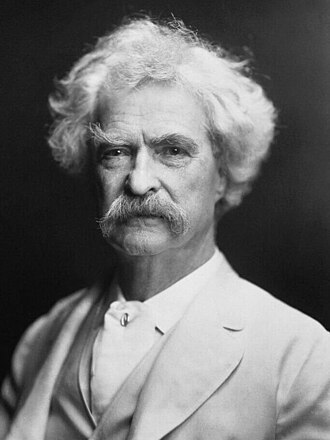
“Kindness is a language which the deaf can hear and the blind can see.”
Mark Twain
Writer
“A skill in a woman’s hands is independence she can carry for life.”
Sneha Karma Foundation
Impact
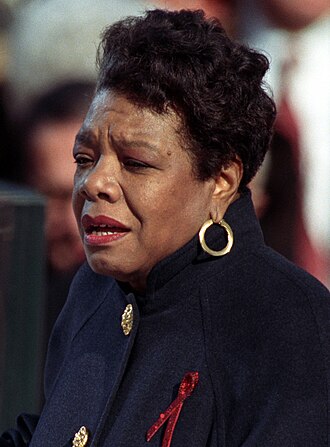
“When we give cheerfully and accept gratefully, everyone is blessed.”
Maya Angelou
Poet
“When one woman stands, her daughters learn that they can too.”
Sneha Karma Foundation
Impact
The root cause of every challenge a girl faces
Every challenge in these pages — poverty, a girl denied an education, child marriage, trafficking — shares a single root: girls are valued less than boys. Gender inequality is not one more issue on a list. It is the reason the other causes exist, the quiet conviction that shapes what a girl is fed, whether she is sent to school, when she is married and how easily she can be exploited. It is the belief we exist to change.
We believe that in this century the paramount moral challenge will be the struggle for gender equality around the world. — Nicholas D. Kristof
It starts before a girl is born
In India and many developing countries, gender inequality begins the moment a pregnancy is found to be a girl. A male child is considered a blessing and his birth is celebrated; a female child is seen as more of a burden from the very start.
A girl faces discrimination from the womb — in its most extreme form, female foeticide. She is treated as inferior to a male child, and this belief is deeply engraved in how she is raised. The 2011 Indian census recorded just 940 females for every 1,000 boys — daughters missing before they were ever given the chance to begin.
It shapes every decision made about her
Educating a boy is seen as an investment, because he is expected to earn and provide for his ageing parents. Educating a girl is often seen as a waste: she will marry and become a homemaker, and an educated girl is thought to need a more educated — and therefore more expensive — groom. When a family cannot afford to educate all its children, the boy gets the school seat.
Effective literacy rates tell the story: as per 2011 data, 82.14% of men but only 65.46% of women aged 7 and above are literate. In poor families, young school-age girls are kept home for household chores or subsistence wage labour while their brothers are spared and sent to school.
It follows her into marriage and work
Because daughters are seen as a financial burden, dowry remains a widely practised cultural norm. A girl is expected to marry a man of better social position and with more education than herself — and the higher the groom’s education, the higher the dowry. As Dreze and Sen (1995) explain: “If an educated girl can only marry a more educated boy, and if dowry payments increase with the education of the groom, then an educated girl is likely to be more expensive to marry off.” For a poverty-stricken family, meeting such a demand is unthinkable.
This inequality does not end at the wedding. Many women face exploitation after marriage — because a demanded dowry was not provided, because a husband is unable to support the family, or because they are excluded from decisions. A patriarchal framework keeps women out of economic decisions at family and village level, even though rural women are often the single most economically disadvantaged group in India.
“Children shouldn't have to suffer, yet there are so many out there who have no family, no home, no food, no clothes and no education. We need to do whatever we can to educate and empower them so they can build a better life.”
Jalpa Naik
Donor
Gender inequality feeds every other cause
Gender inequality does not sit apart from the other causes — it feeds them. A girl who is valued less is the first to be pulled out of school, the first to be married off, and the first to be trafficked when her family is desperate.