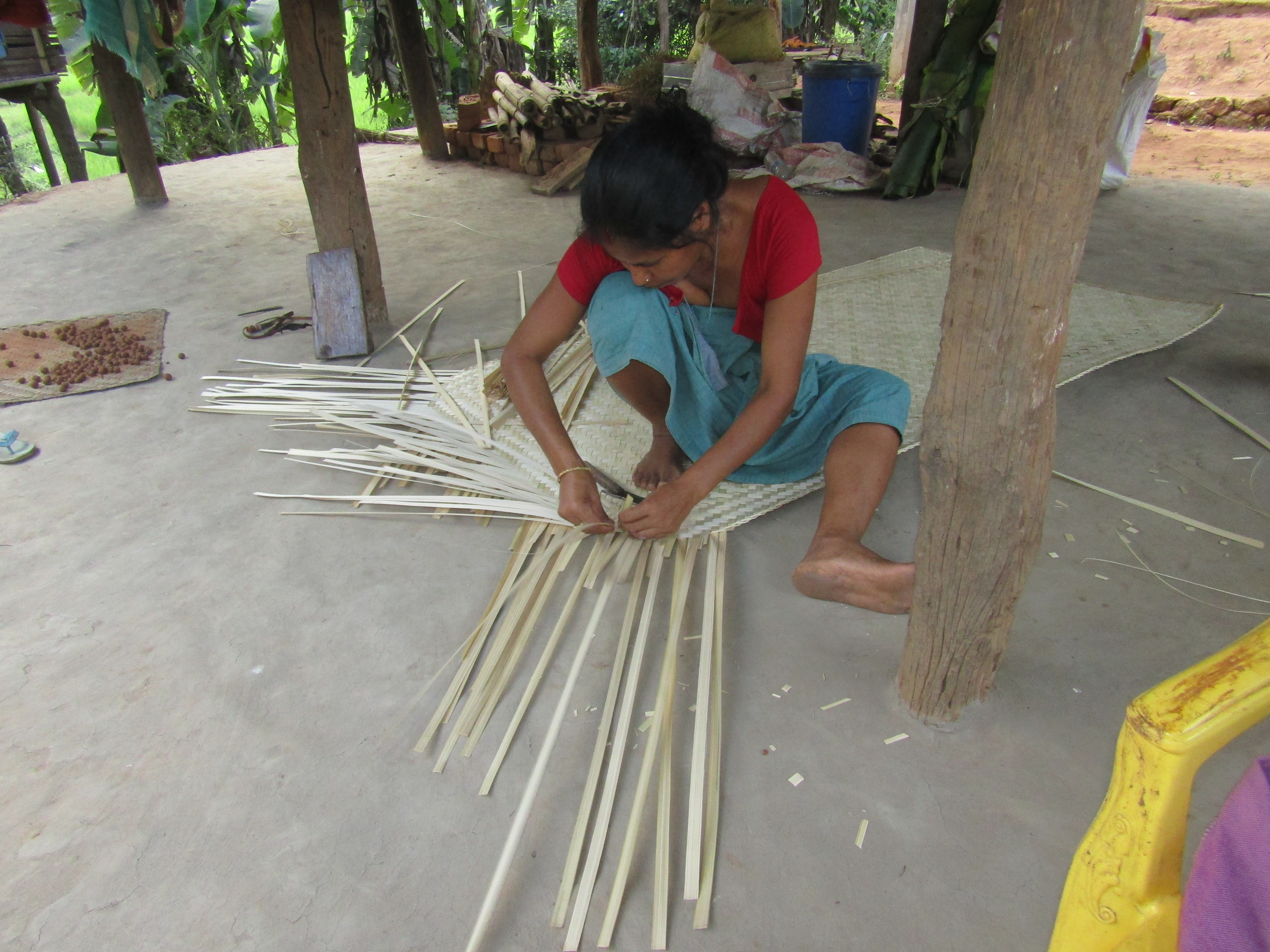
Unpaid Care Work: The Invisible Tax on Girls and Women
Fetching water, cooking, cleaning and caring for siblings is work. When it falls on girls, it quietly sets the limit on school, paid work and rest.

Empowering underprivileged Girls and Women




Fetching water, cooking, cleaning and caring for siblings is work. When it falls on girls, it quietly sets the limit on school, paid work and rest.
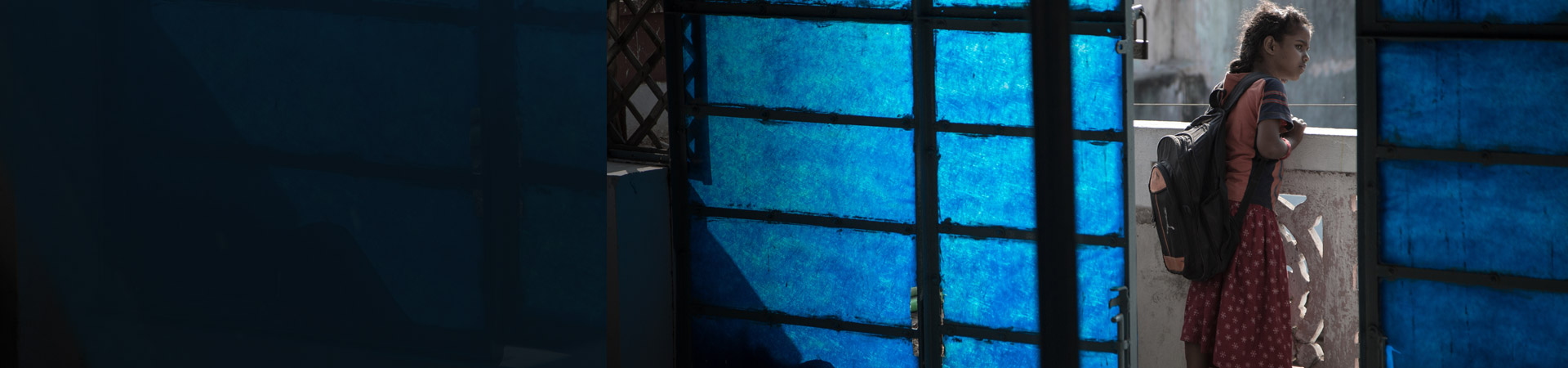
Traffickers do not recruit at random. They look for girls with no money, no papers, no protector and no alternative. Poverty is the recruitment ground.
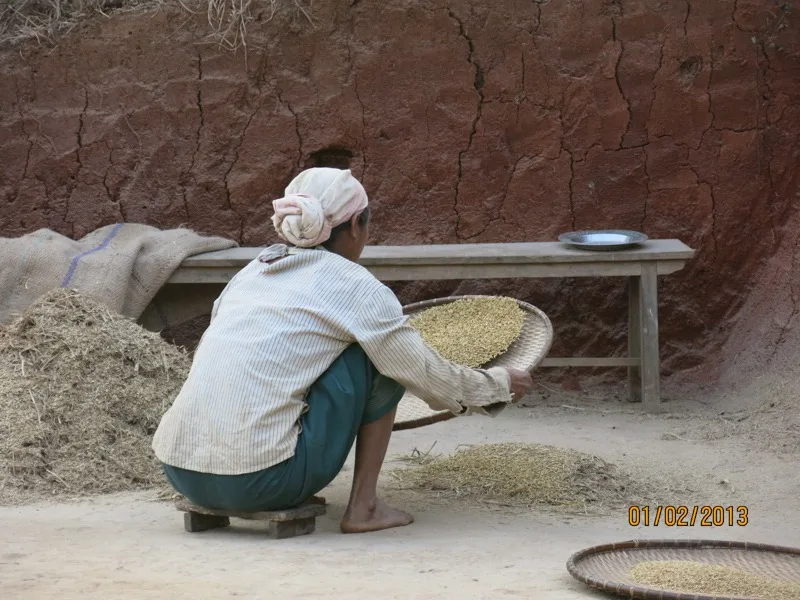
A hungry girl cannot concentrate, and an anaemic girl cannot carry a pregnancy safely. Malnutrition is one of the quietest consequences of poverty, and one of the most reversible.
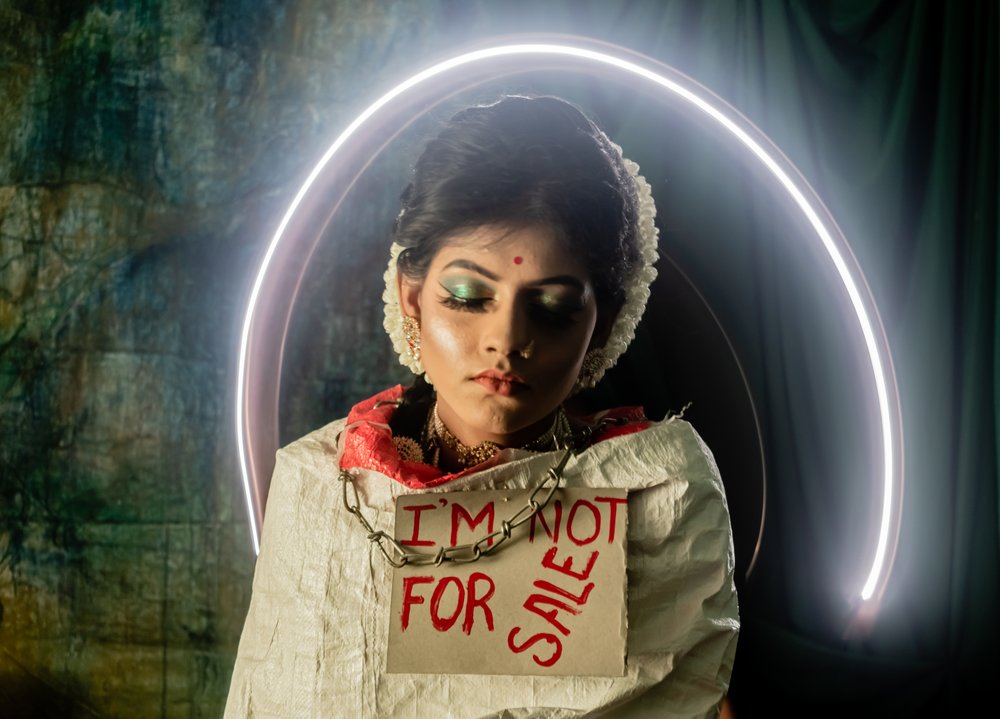
Poverty does not cause violence, but it removes the exits. Economic dependence, weak services and unequal norms keep women in abusive homes and put girls at risk early.
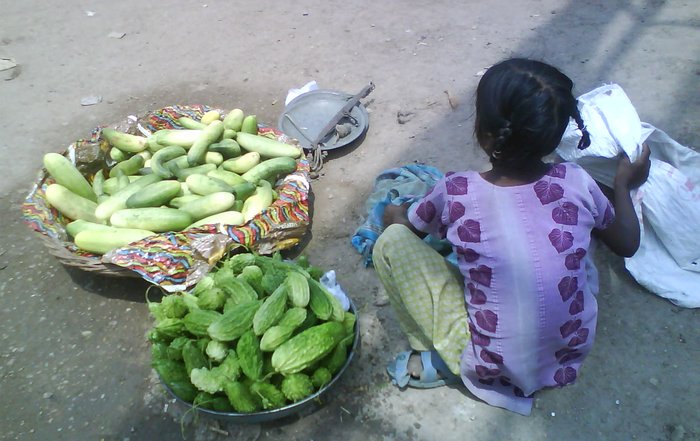
Most child labour is not in factories. It is in fields, homes and markets, where girls' work is often invisible, unpaid and treated as a family duty.
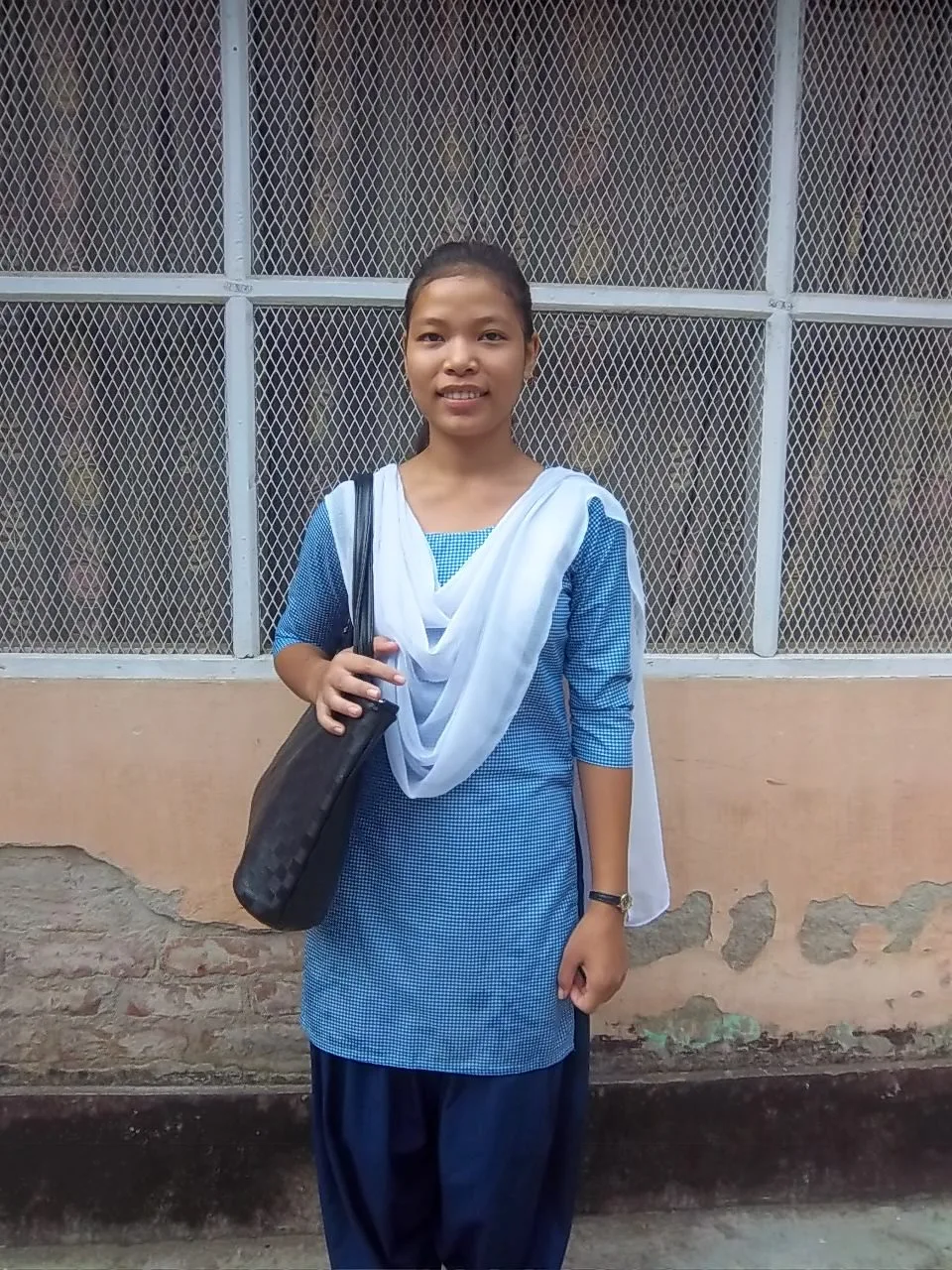
For girls aged 15 to 19, complications in pregnancy and childbirth are a leading cause of death. Pregnancy is not only a health event; it is a poverty trap that closes the classroom.
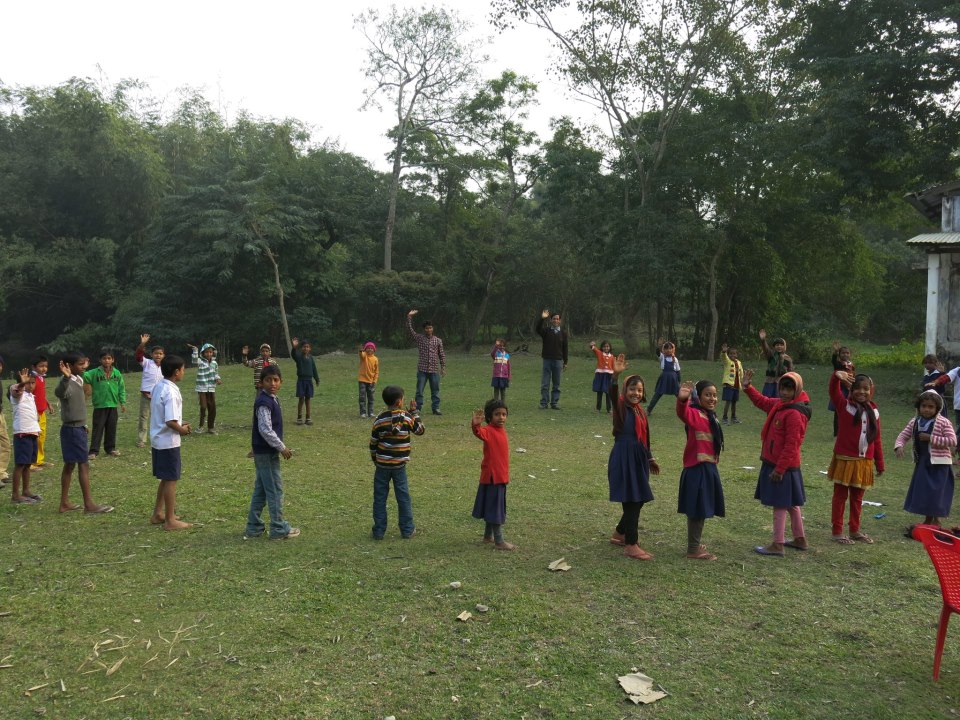
Seuti Teron comes from the Garbhanga Forest Reserve in Assam — a community where, for generations, girls remained uneducated, unheard and unaware of their own rights. Her dream is the reason Sneha Karma Foundation exists.
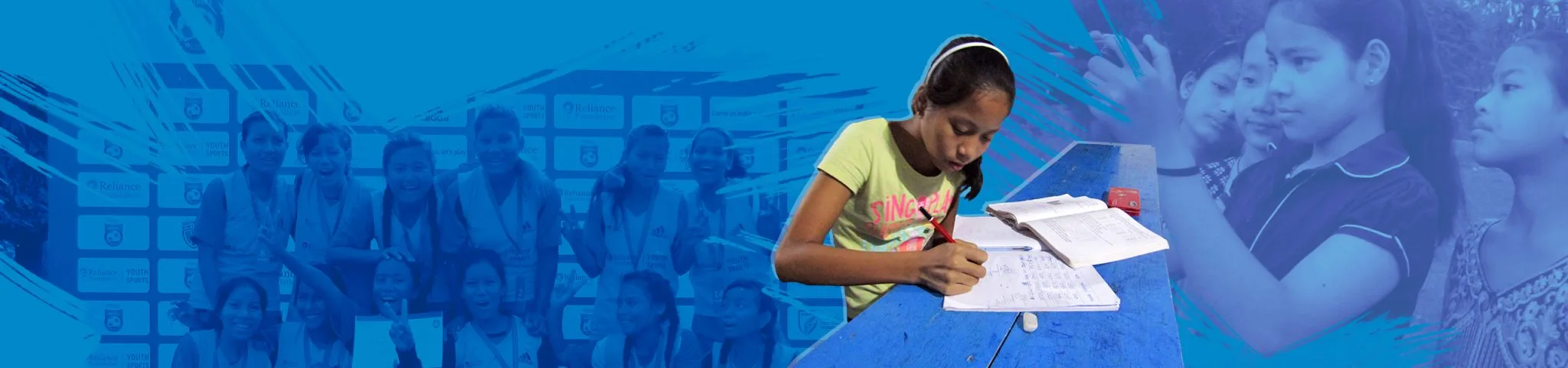
How a chance meeting in the Garbhanga forest villages of Assam led to our flagship Support-A-Girl program — the families we met, the barriers girls face there, and where the work goes next.
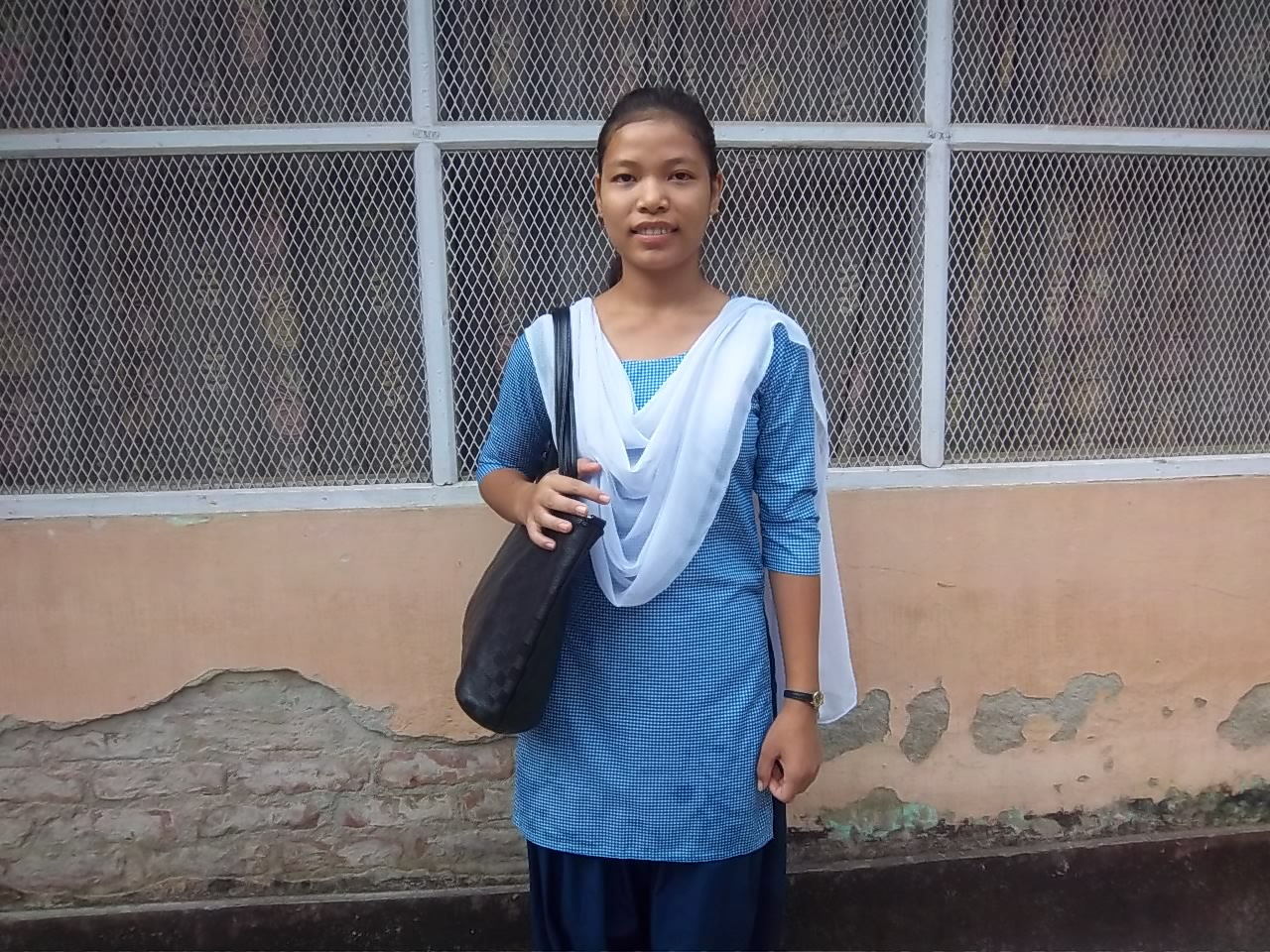
Child marriage is often described as a tradition. It is also an economic decision made under pressure, and it ends a girl's education, health and voice at once.
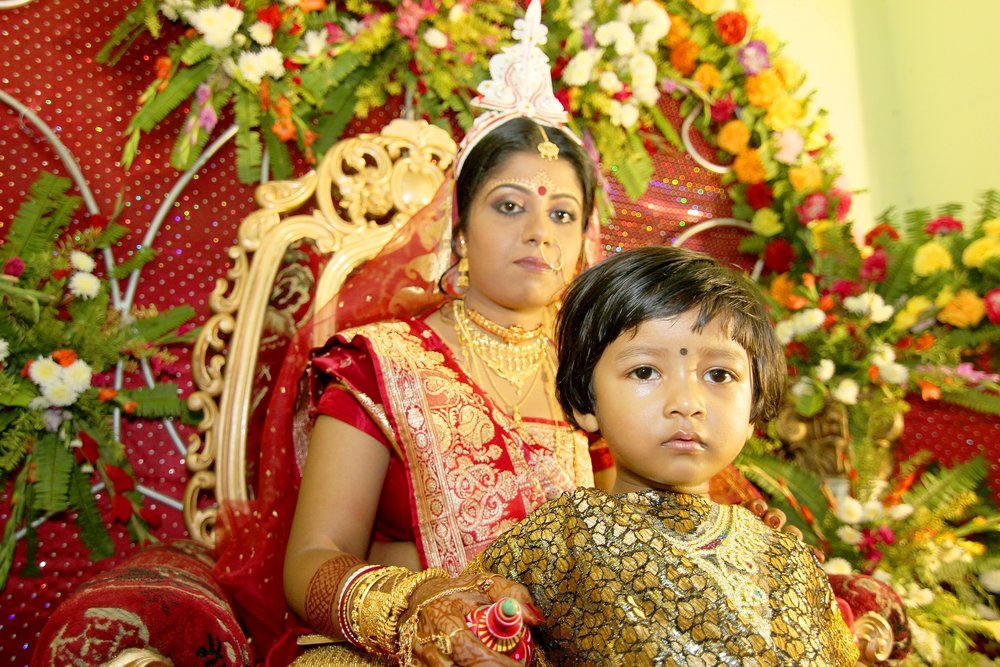
Child marriage is rarely a law problem — it is a belief problem. And nothing shifts that belief more reliably than an educated girl.
The blog collects field stories, program updates, and plain-language explainers on the issues behind our work: girls’ education, early marriage, social abuse, women’s livelihoods, and transparency. Some posts follow one girl or family; others explain a program, a decision, or a problem we are trying to solve.
We publish when there is something worth sharing rather than on a fixed schedule. New articles appear at the top of the blog, and the newsletter is the best way to hear about the most important updates.
Use the category list beside the articles, follow the topic links under a post, or search the site. Categories group stories by theme, such as girls’ education, child marriage, women’s empowerment, and transparency.
Yes. You are welcome to share links to any article. If you would like to republish the text or use our photographs, please contact us first so we can confirm attribution and image permissions.
We welcome story leads from volunteers, partners, and supporters. Write to [email protected] or use the contact form and tell us what you would like to share.


